Technology Readiness Level (TRL) scale
The step from a promising idea to a reliable product that can be manufactured in series requires continuous testing, iteration and well-founded decision-making. The Technology Readiness Level, or TRL, clarifies that development by dividing a product's technological maturity into nine levels. For SMEs this scale offers practical guidance: it shows which uncertainties must be removed first, when larger investments are justified and at what point engineering, manufacturability and external expertise become decisive for successful scaling.
In brief
- The TRL scale divides development from idea to proven series production into nine levels and makes technological maturity measurable.
- As the TRL level rises, risk shifts from technical feasibility to manufacturability, cost price, quality and scalability.
- By involving engineering and production expertise between TRL 3 and 6, you prevent a working prototype from later stalling during industrialisation.
Every product starts as an idea. If all goes well, it becomes a reliable item you can manufacture at scale. Between those two points lies a long journey of testing, iterating and scaling up. The technology readiness level, or TRL, is the scale that divides that journey into nine measurable steps. For an SME that wants to develop its own product, that scale is far more than theory. It determines when you must test, when you should invest and when you need external engineering.
What is Technology Readiness Level (TRL)?
Technology readiness level is a scale from 1 to 9 that indicates how mature a technology or product is. TRL 1 represents an initial scientific idea. TRL 9 represents a product proven to work in practice and at scale. Each intermediate step marks concrete progress: from concept to working prototype to production-ready design.
Origins and purpose of the TRL scale
NASA developed the nine-level TRL scale in the 1970s. NASA used the scale to assess the maturity of space technologies objectively before committing millions to a mission. Since then, other organisations have adopted the model, including the European Commission, which uses TRL within Horizon programmes as a standard to assess the technological maturity of projects.
Why TRL is more than an academic model
The scale originated in spaceflight, but the underlying idea applies to any product development path. Each level demands different choices, different risks and a different level of investment. This article translates each TRL level into what it concretely means for an SME: which questions you should ask, which risks you face and when engineering and design-for-manufacturing are needed.
TRL levels 1 to 9: the scale step by step
TRL levels 1 to 9 describe a continuous line from idea to production. In practice they fall into three clusters, each with its own type of risk and decision-making.
TRL 1-3: idea, concept and initial validation
At TRL 1 you have a basic principle or idea, often no more than a sketch or a theory. At TRL 2 you formulate a concrete application concept: what should this idea do, and for whom? At TRL 3 you conduct the first experimental validation, for example a rough test demonstrating the principle physically works.
Think of a start-up in consumer electronics inventing a new type of locking mechanism. At this stage you do not build a prototype of the final product. You only test whether the core principle holds. The central question is simple: does the idea work in theory and in an initial trial?
TRL 4-6: prototype and test environment
From TRL 4 you build a first working prototype, usually in a lab or test environment with limited similarity to the eventual production conditions. TRL 5 increases realism: you test in an environment that more closely resembles real-world conditions. TRL 6 demonstrates a prototype that operates in a relevant, realistic environment.
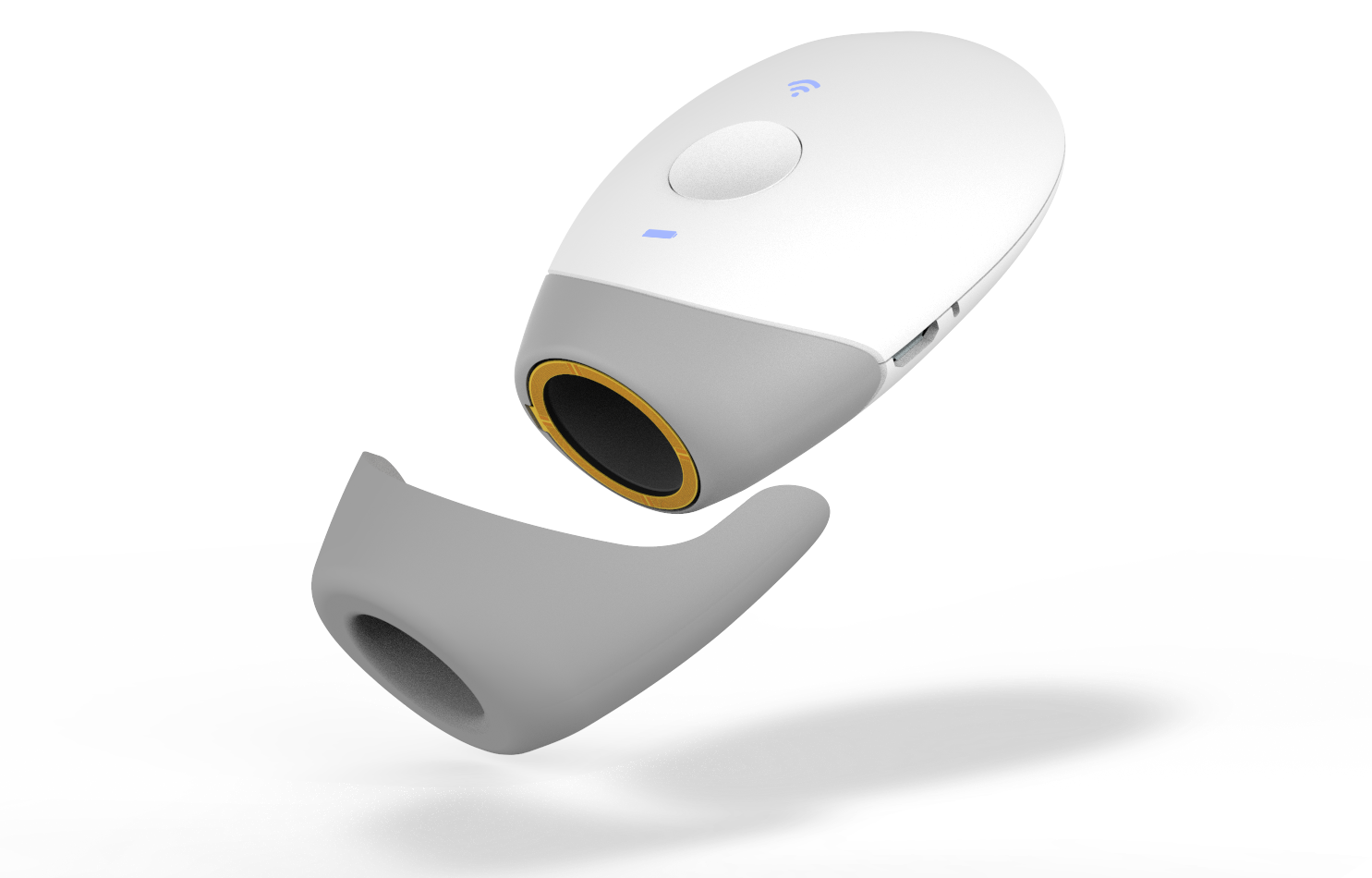
For medical devices, for example, this could mean a handmade prototype passing clinically relevant tests, independently of certification or mass production. The product manager should ask: does the product function under realistic conditions, and what modifications are needed before it becomes manufacturable?
TRL 7-9: production-ready and scaled up
TRL 7 shows a prototype that works in the final operational environment. TRL 8 means the product is fully developed, tested and qualified for production. TRL 9 is the point at which the product is proven through series production and functions in the market.
In mechanical engineering you can see this with a new part: it first runs in a single machine on site (TRL 7). Then the company produces the part in validated production processes in quantities (TRL 8-9). At this stage the question is no longer whether it works, but how to make it repeatable, affordable and consistent to produce.
Technical feasibility and risk per TRL level
Each TRL level carries a different type of risk. Understanding that leads to better investment decisions and avoids costly mistakes later in the process.
What risks belong to a low TRL
At a low TRL level technical uncertainty predominates. The central question concerns the technical feasibility of the product: does the concept work physically, and is the principle scientifically or technically viable? Investments at this stage remain relatively modest and focus on testing rather than production assets.
How risks shift toward high TRL
As the TRL level rises, risk shifts from “does it work” to “can we make it, and at what cost”. At higher TRL levels the focus is on production, unit cost and scalability. Scaling to production too early without technically validating the intermediate TRL steps will cost you later in failed moulds, recalls or impractical production costs. That is why phased risk management per TRL is so valuable. You postpone major investments, such as an injection mould, until technical feasibility and the design are sufficiently proven.
From prototype to production: TRL and design-for-manufacturing
The path from prototype to production is where many TRL journeys stall. A working prototype proves an idea functions. It does not yet prove you can make the product efficiently and repeatably.
Why a working prototype is not yet a manufacturable product
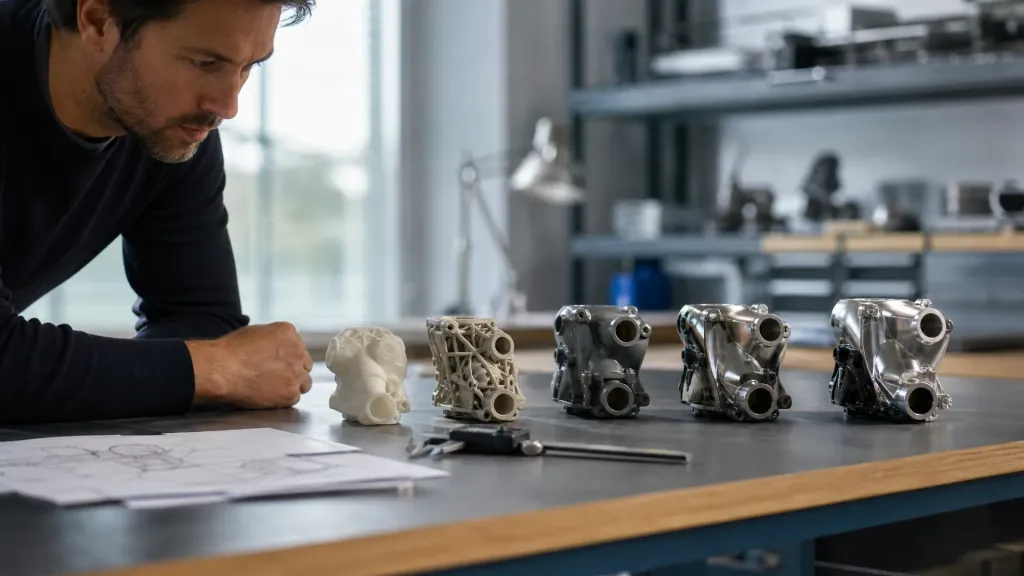
A sensor that works in a lab under controlled conditions (TRL 4) is different from that same sensor being weatherproof, cost-efficient and producible in quantities (TRL 8). Between those points lies engineering work: optimising wall thicknesses, choosing materials and simplifying assembly. This is precisely the phase where engineering and design-for-manufacturing make the difference.
The tipping point where engineering becomes indispensable
Once a product moves from TRL 6 to TRL 7, design-for-manufacturing becomes indispensable. At this point you determine how a part will behave in a mould, which tolerances are achievable and how to keep assembly costs low. It is precisely here that the prototype-to-production transition requires the most TRL-focused attention. A solid DFM guide provides support when making those decisions.
Practical examples of TRL scaling in different industries
The TRL phasing is universal, but the bottlenecks vary greatly by sector. Two generic examples illustrate this.
Consumer products and plastic parts
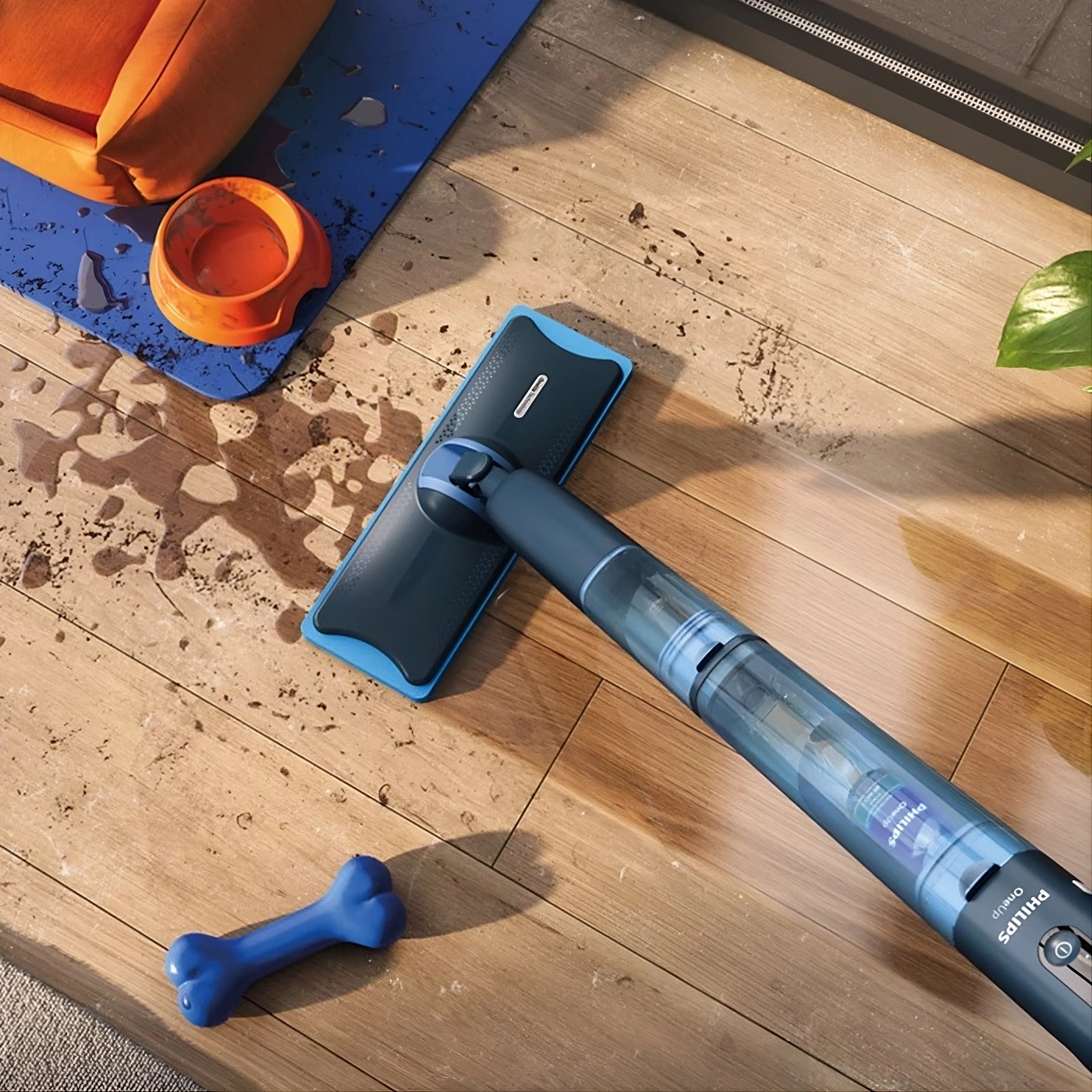
An SME with a working handmade prototype (TRL 4-5) often hits a wall when the product must be made in plastic and in series. Wall thicknesses, moulds and material choices then require different expertise than the original idea. For consumer products the emphasis is mainly on unit cost, aesthetics and ease of assembly at scale.
Technical and industrial applications
For technical or industrial applications, such as a measuring instrument or a machine part, the emphasis is on reliability under load, material certification and lifetime. The TRL journey is the same, from idea to proven production, but the tests and standards per level differ greatly from those in consumer electronics.
When should you bring in a development partner per TRL level?
Not every TRL level requires the same support. Early on you often work on your own or with limited help. As you near production, specialised knowledge becomes indispensable.
Early phase: sparring and concept validation
At TRL 1-3, sparring about feasibility is often sufficient: a sounding board that helps refine concept and initial validation. Investment remains limited. The main aim is to sharpen what you want to build and for whom.
Critical phase: scaling the prototype to production
The transition from TRL 4-6 to TRL 7-9 is where many projects stall without the right engineering and production knowledge. PEZY guides companies daily from initial sketch to injection-mould-ready part, and sees in practice where projects stall between concept and production. Exactly at this critical point, at TRL 3 to 6, it pays to involve a development partner who masters both engineering and product development end-to-end. That way you avoid a working prototype failing because of a production problem that is expensive to fix afterwards.
Frequently asked questions about technology readiness level
Is TRL the same as a product development phase?
Not exactly. TRL describes the technological maturity of a product. A product development phase often also includes project matters such as planning, budget and team structure. The two usually run in parallel: a higher TRL level generally corresponds to a later development phase.
How do you determine your product’s TRL level yourself?
Look at the test environment and the evidence you already have. If your product only works in a controlled lab setup, you are likely around TRL 4-5. If it already runs repeatably in mass production, you are moving toward TRL 8-9. When in doubt, check the earlier sections level by level to see which questions you cannot yet answer with certainty.
From insight to results