
Many hardware ventures start strong. There is a clear idea, a compelling story and a first prototype that impresses in a meeting room. Then the hard part begins. The product needs to work outside the lab. It needs to be built more than once. It needs to pass regulation. It needs a realistic path to market.
That is usually where the gaps appear. Market validation turns out to be thin. Function development has not gone deep enough. Time to market was based on hope instead of experience. In health tech the system around the device proves more complex than expected.
This article shares six practical lessons we see in ventures that do make it through that phase. They help you decide what to do first, where to slow down and where to move faster, so you increase the chance that your product does not stop at a demo but reaches real users.
1. You do not need a prototype to validate the market
The first reflex in a hardware venture is often to build something you can hold in your hand. It feels like real progress and it looks convincing in a pitch. For market validation it is usually not needed. You can test most of the important assumptions with a digital mock up and a clear story. Show what the product will do, how it fits in the workflow and what outcome it delivers.
Then talk to real decision makers, not only to users who like the idea. Ask how they would buy it, when they would buy it and what budget they would use. Share a realistic price range. See if they are willing to commit to a pilot, a reservation or some other concrete step. If the promise does not trigger any form of commitment at this stage, a physical prototype will not suddenly create a market that was not there.
2. Function development is underestimated
Many ventures are satisfied once the first version works in the lab or in a demo. That moment feels like success while the real work is only starting. Function development is about how the product behaves in real life. It needs to keep working over time, in different settings and with different users. It has to perform within the right tolerances. It has to be safe, testable and possible to service without too much effort.
Small issues that seem acceptable in an early prototype can turn into failures, support tickets and reputational damage once you ship. A product that is not robust in its core function might still look good in a presentation but it will not succeed in the market. If you want a real business instead of a nice demo, you treat function development as the heart of the project, not as a refinement at the end.
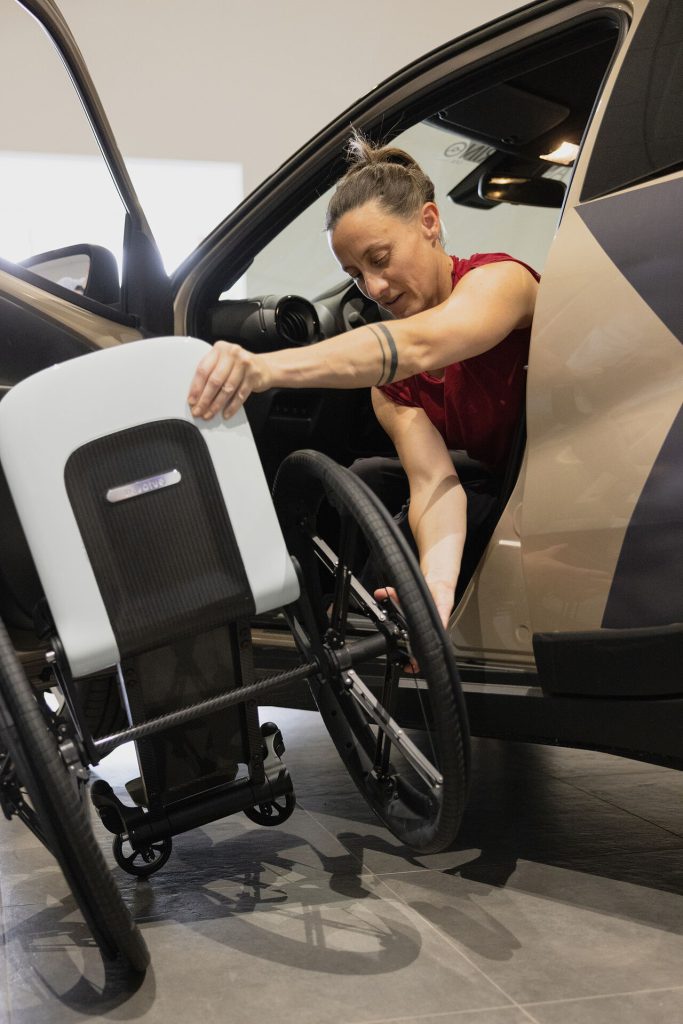
PEZY as your hardware venture partner from concept to scale
Many ventures do not fail on ideas. They stall when the path from prototype to production becomes real. Function robustness, manufacturability, suppliers, testing, documentation and compliance start to dominate the timeline. At that point you do not need another supplier for one task. You need continuity and people who have done it before, with clear ownership from early choices to stable production.
PEZY supports hardware ventures as an integrated partner. We combine product innovation, engineering, industrialisation, supply chain and compliance in one team, so decisions stay connected and execution stays under control. That helps you validate faster where it matters, lock the right things at the right time and build a product that works in the field, can be manufactured repeatedly and can pass the requirements of your market.
3. Product development has two very different phases
New products do not follow one straight line. First you move from a first idea to a validated concept. Then you move from that concept to a product you can build at scale. In the first phase you explore, test options and learn what really creates value. In the second phase you lock decisions, remove variation and build a stable process.
In both phases you need people who understand production, but their role is different. Early on they help you avoid ideas that will never be manufacturable. Later they help you design tooling, set up testing, choose suppliers and secure consistent quality. If you treat both phases in the same way, you either freeze the concept too early or you keep changing it when you should be preparing for scale.
4. Hardware scaleups often underestimate time to market
Many hardware scaleups make very optimistic plans. To secure funding they promise short timelines and fast market entry. In practice they run into work they did not fully see at the start. Tooling, supplier selection, test setups, certification, documentation and process validation all take more time than expected. When experience with product innovation is limited it is easy to miss these steps or to assume they will somehow fit into the gaps. The result is that teams overpromise in the pitch and then have to explain delays later. That hurts trust with investors and partners. A more realistic approach is to build a plan around the real work of industrialisation and to show clearly where the risks are. That story may sound less spectacular, but it is much stronger once the venture moves from slide deck to product.
„Hardware scaleups do not miss timelines because the idea is hard. They miss them because industrialisation work was never planned in”
5. The biggest reward for designers and engineers is success in the market
For most designers and engineers the real reward is not the prototype or the slide deck, but seeing their work used in daily life. A product in the hands of real users, solving a real problem, is what creates pride. That is also why a clear path to market matters so much for a team. It gives focus. It makes it easier to choose what to build now and what to postpone.
When you direct effort towards a product that can actually be launched and supported, you increase the chance that the team sees its work succeed instead of watching a promising concept stop at a demo.
6. In health tech and care, innovation is often system innovation and MDR helps quality
In healthtech and care most new products do not stand on their own. They are part of a larger system of workflows, data, training and responsibilities. Changing one device often means changing how people work and how information flows. That makes these innovations more like system changes than isolated product launches.
In that context MDR can be very helpful. It forces you to think clearly about intended use, risks, evidence and performance. When you bring this thinking in from the start, it raises the quality of the whole system, not just the device, and reduces the chance of unpleasant surprises later in the process.
Turning hardware ventures into market success
The rise of hardware venture partners is a clear shift in how hardware ventures are built. These partners do not step in for one phase. They stay involved from first idea to industrialisation and early market use. They bring design, engineering, function development, production, supply chain and compliance together in one team.
For a hardware venture this means continuity instead of a series of separate suppliers. It means access to production specialists in both phases of development. It also means one group that carries end to end accountability for the path from mock up to a product that works at scale. In a field where time to market, quality and regulation are easy to underestimate, that support can be the difference between a strong demo and a product that actually succeeds in the market.

 PEZY is officially certified as a Great Place To Work™. This recognition is based entirely on feedback from our employees.