For R&D and innovation teams that need to take a concept to a manufacturable series product.
Product development: from idea to series production
From product definition and engineering to prototyping, validation and industrialisation. PEZY works with your team on technical and commercial feasibility so you can move faster, with less rework, to a manufacturable product. For over 30 years, from the Netherlands.
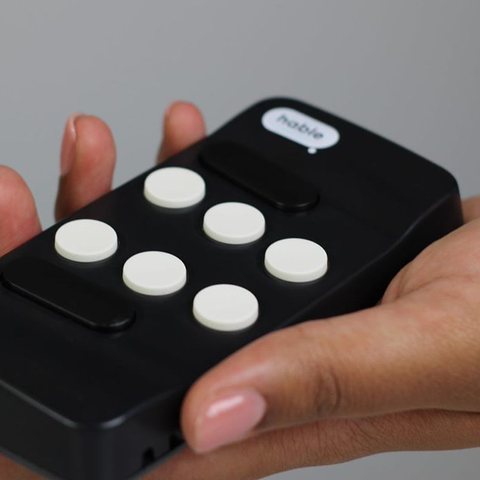
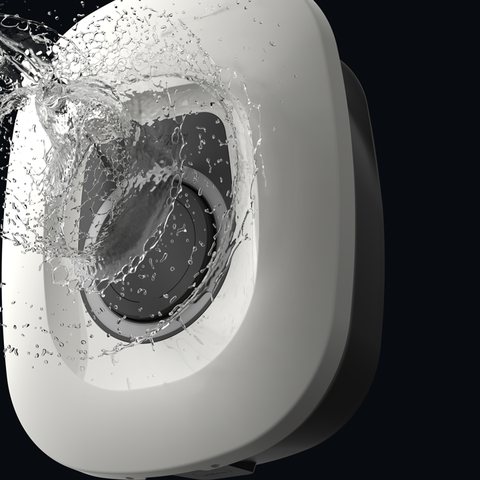
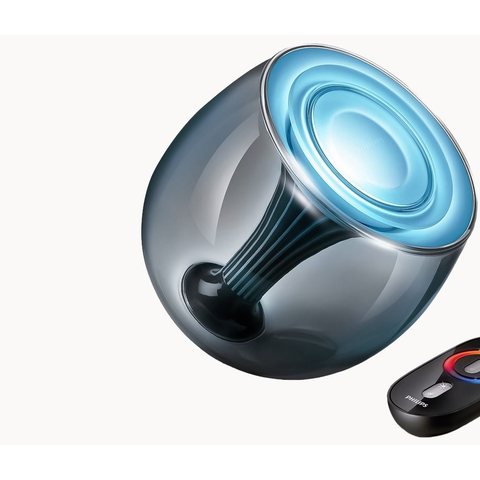
These companies rely on PEZY to make their product a reality.






What is the basis of successful product development?
Control over manufacturability, cost price and risk before you invest deeply in engineering
In practice things go wrong at recognisable points: manufacturability appears too late, disciplines work in sequence rather than together, and decisions about volume, tooling or certification are postponed until they become expensive. After hundreds of projects we know where R&D projects lose time and budget and how to prevent that structurally.
That is why we start with the full playing field: engineering, the business case and operations. Not to make the process heavier, but to know early what needs to be proven. That way you steer on facts towards a product that is right in function, cost and producibility.
Define the right product first
We don’t start with a solution drawing, but with the decision you need to make. Who is this product for, what problem does it solve, and what is the minimum set of requirements to move forward? User needs, competition, technical constraints and business goals are brought together into a sharp product definition. That prevents engineering hours being spent on something that is technically feasible but strategically or commercially unsustainable.
Map technical feasibility and risks early
For deep engineering we make the critical risks visible: materials, manufacturing method, tolerances, certification, supply chain and cost price. We test assumptions early with calculations, tests or prototypes. This keeps open issues visible in the schedule rather than as surprises in the pilot phase.
Design, engineering and production as one chain
Volume is a design decision, not a later detail. Whether you need 20 validation units, a pilot of several hundred units or scaling to thousands: that determines tooling, process choice and investment profile. We design consciously for that path so you aren’t locked into an approach that is too heavy or too light for production.
From prototype to pilot series and scaling
We build prototypes focused on the outstanding question — not “because it’s customary”. After that come demonstrators and pilot series in which we test both product and process. That way the design grows into something that works in practice and can be made repeatably, whether for small series or higher volumes.
Sustainability and circularity in design choices
Sustainability and circularity belong in the requirements, not the brochure. Early in the project we weigh material, construction, disassemblability and impact alongside function and cost. That keeps you compliant and credible to customers, regulators and internal ESG goals, without undermining the business case.
Why R&D and innovation teams work with PEZY
Teams come to us because they want to move fast without losing control over quality, cost and manufacturability. PEZY brings design, engineering, prototyping and production together in one scalable ecosystem.
-
One integrated development chain
Design, engineering, prototyping and small-batch production are closely connected. Feedback from testing and manufacturability therefore flows back into the design quickly.
-
Validate critical assumptions early
We test important assumptions early. Problems surface in the phase where adjustments are still affordable.
-
Approach matched to the intended volume
Tooling and working methods follow the desired volume. For pilots and small series this prevents over‑engineered processes and premature, heavy investment.
-
Single point of contact with traceable decision‑making
Traceability, quality agreements and decision‑making run through one chain, instead of through several separate suppliers.
-
Built‑in scalability and sustainability
We incorporate scalability, serviceability, supply risk and — where relevant — circularity into design choices, not as after‑the‑fact corrections.
From direction to proof
Design the right product
From a clear product definition to a validated concept. At each step we make explicit what’s needed to proceed with confidence.
From engineering to a manufacturable product
Develop the product properly
Once the direction is set, the focus shifts to reliability, manufacturability and scalability. This decision pack brings together the crucial design, validation and industrialisation decisions.
Engineering and product architecture
Mechanics, electronics and software come together in a single manageable architecture. We define interfaces, tolerances, cable routing, serviceability, cost and compliance early so choices are sound not just on paper.
Prototyping and verification
Each iteration reduces a defined risk — from proof of principle to production‑near demonstrator. We test functions and failure modes for integration, reliability, usability and, where necessary, environmental or lifetime aspects.
Final engineering and industrialisation
We finalise engineering for quality, repeatability and transferability. We then secure process, tooling, supply chain, test strategy and production readiness for a stable, cost‑effective series.

Braster: breast screening at home
Bringing a medical device to production readiness: technology, ergonomics, enclosure and app to market in one year.
View case
Philips OneUp: mopping without a bucket
From concept to a lightweight, agile and manufacturable product — with clean water, battery and tanks in one compact mop.
View case
Skinly: skin analysis in your hand
From front-end innovation to production: a handheld with sensors and AI-driven advice, ready for international studies.
View case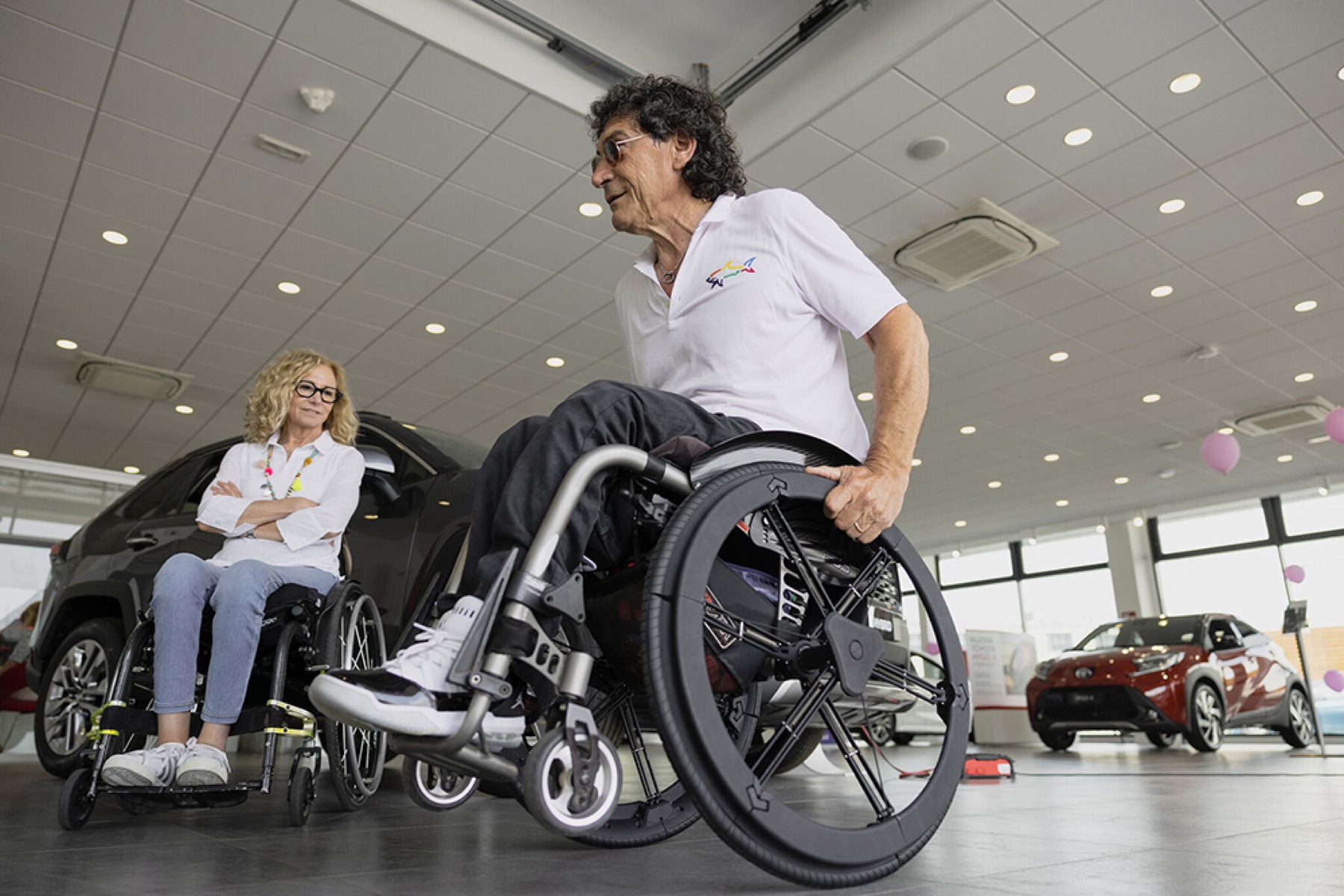
Revolve Wheel: foldable yet rigid
A wheelchair wheel that takes up to 60% less space, with a mechanism that almost folds itself.
View case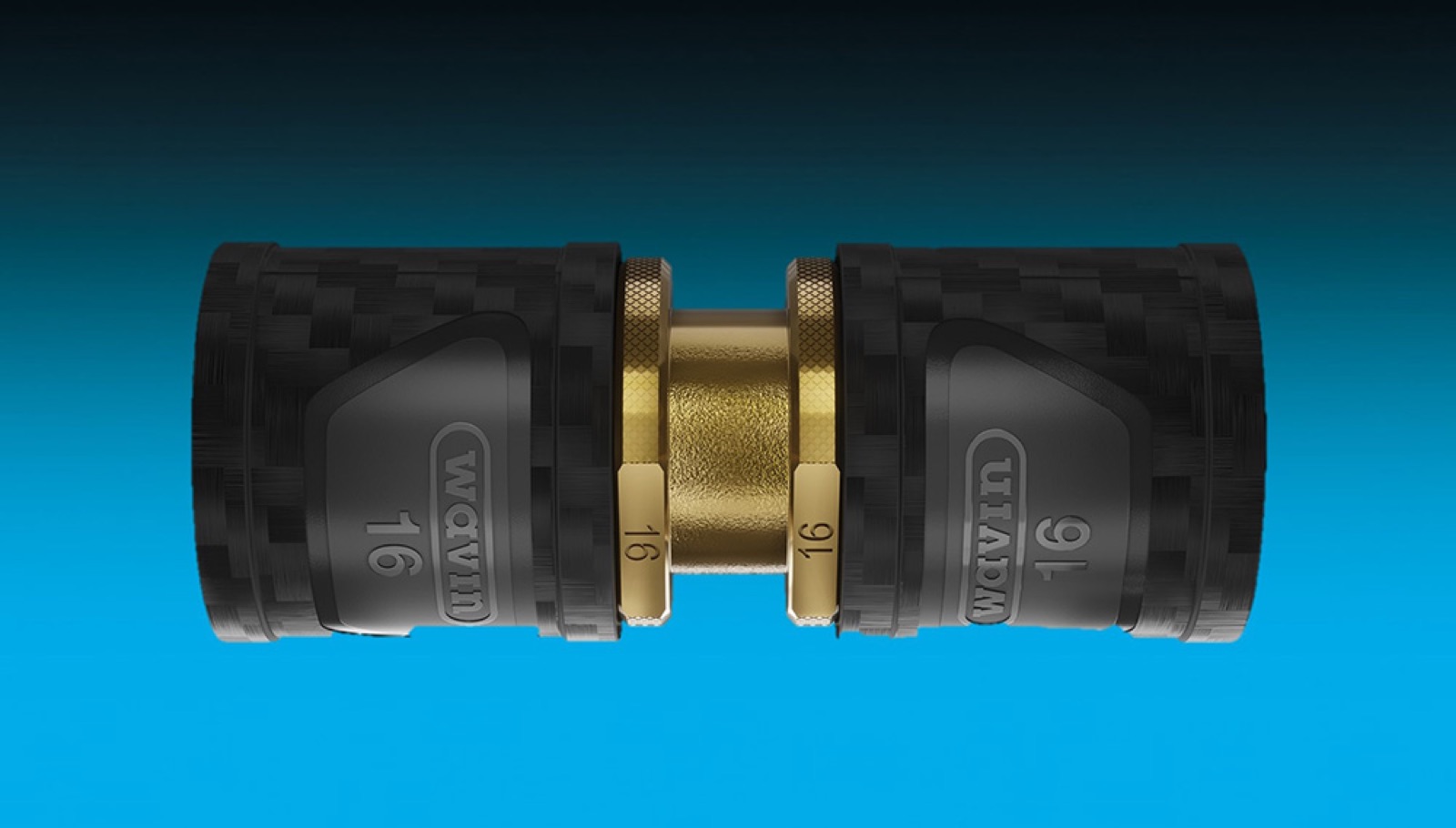
Wavin Tigris MX: a secure connection
Engineering, prototype moulds and industrialisation for a fitting that withstands temperature, pressure and assembly variation.
View caseWhy PEZY
PEZY brings product development and realisation together
PEZY is a full-service partner for product development and industrialisation: design, engineering, prototyping and the route to production in one ecosystem. From Groningen and Utrecht (Houten) we work with R&D and innovation teams that want to move fast without losing control over quality, cost price and manufacturability. Whether it concerns medical devices, industrial hardware or smart electronics: we scale with your capacity and complexity. From targeted engineering support to taking full responsibility for a complete development trajectory.
3 locations
Design, engineering and production under one roof.
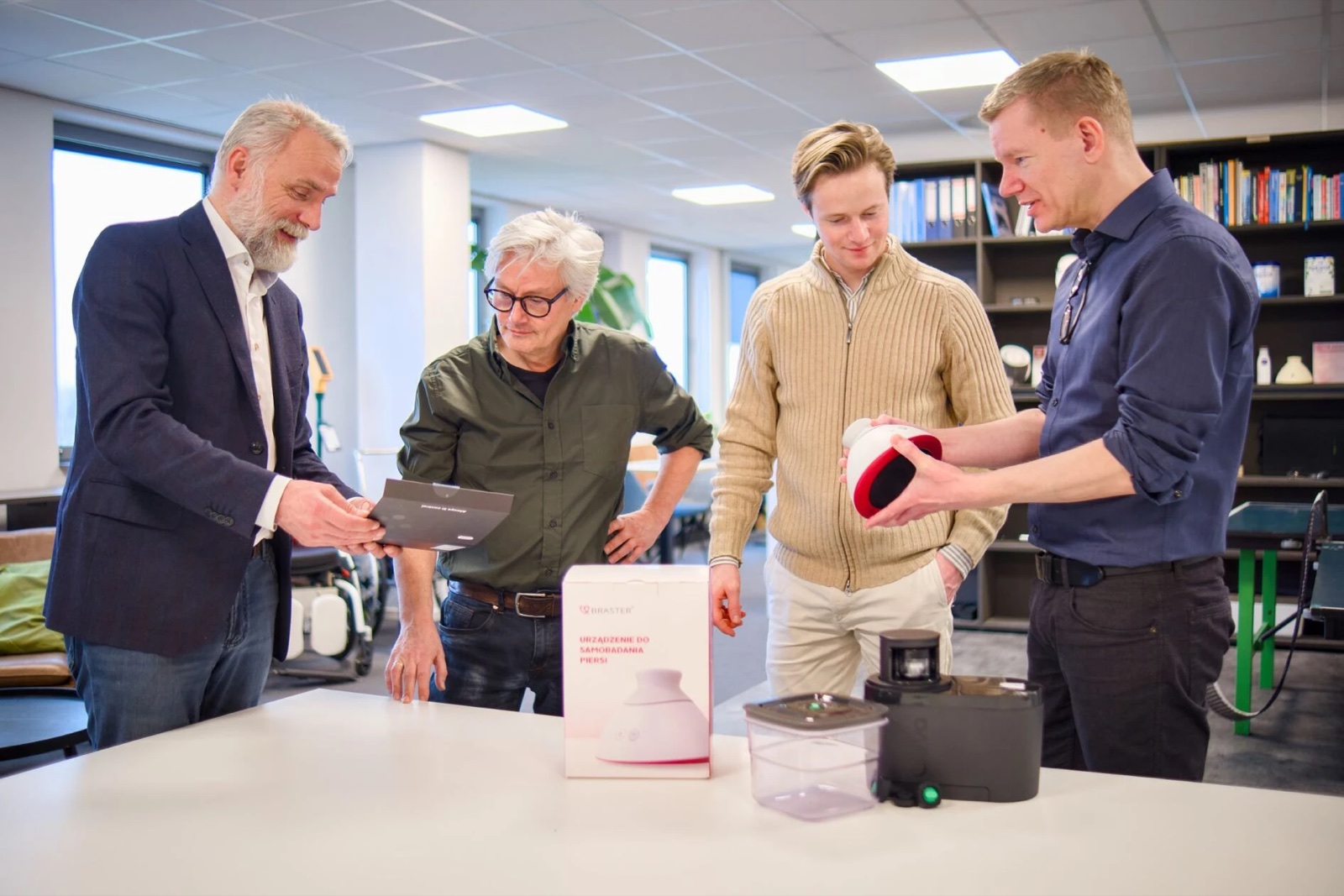
Pilot Factory
From first prototype to small-series production, in-house.
30+ years
Product innovation since 1995.
Great Place to Work
Recognised based on feedback from our employees.
Ready to talk further?
Schedule a call or send us a message. We’re happy to advise on customer value, manufacturability and the next step.
Contact
Send us a message
This site is protected by reCAPTCHA and the Google Privacy Policy and Terms of Service apply.
Frequently asked questions about product development
Start by defining the target audience, the problem you want to solve and the requirements the product must meet. A product specification makes these starting points concrete and helps you assess design choices and results. Read more about putting together a product specification.
Outsourcing can make sense when you do not have enough internal capacity or lack specific expertise in design, engineering or prototyping. Decide in advance which tasks you will handle yourself and what support you need. Read about the considerations that help you choose a product development partner: choosing a product development partner.
A prototype is useful when you want to test an important assumption about your product, for example about its operation, ease of use or manufacturability. The type of prototype depends on the question you want to answer. Read more about prototyping: from concept to a manufacturable product.
Industrial applications involve factors such as operating conditions, reliability, maintenance and manufacturability. Translate these conditions into concrete design requirements and test criteria early in the process. Read more about industrial product development.