A comprehensive programme for electronic products
Electronic product development: from idea to manufacturable product
Electronics, enclosures, software and product design must work together to turn an idea into a usable product. PEZY guides development for sectors including industry, healthcare, consumer products and professional applications. We link specifications and design with prototyping, validation and preparation for production.
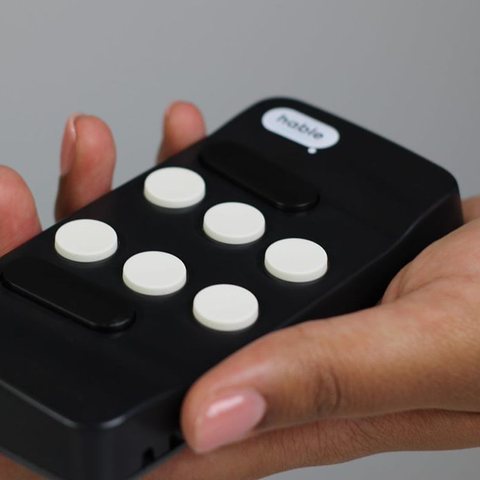
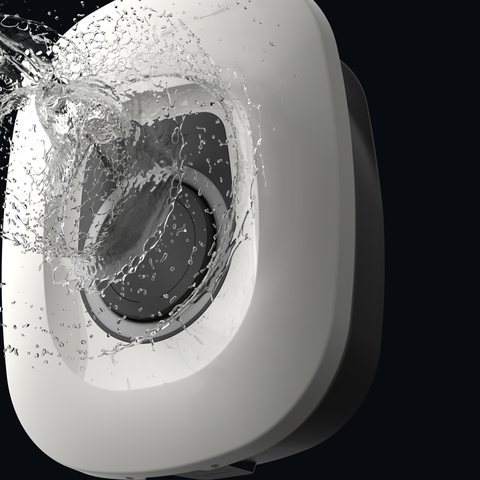
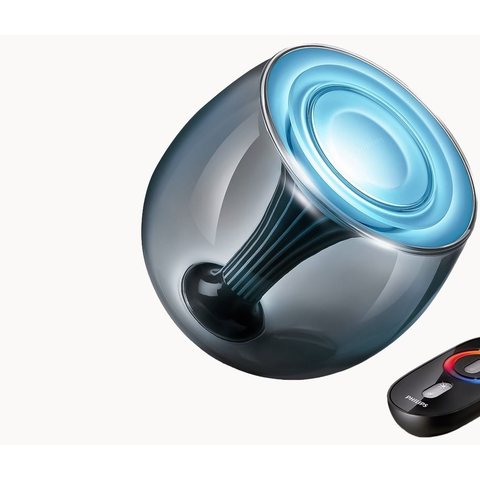
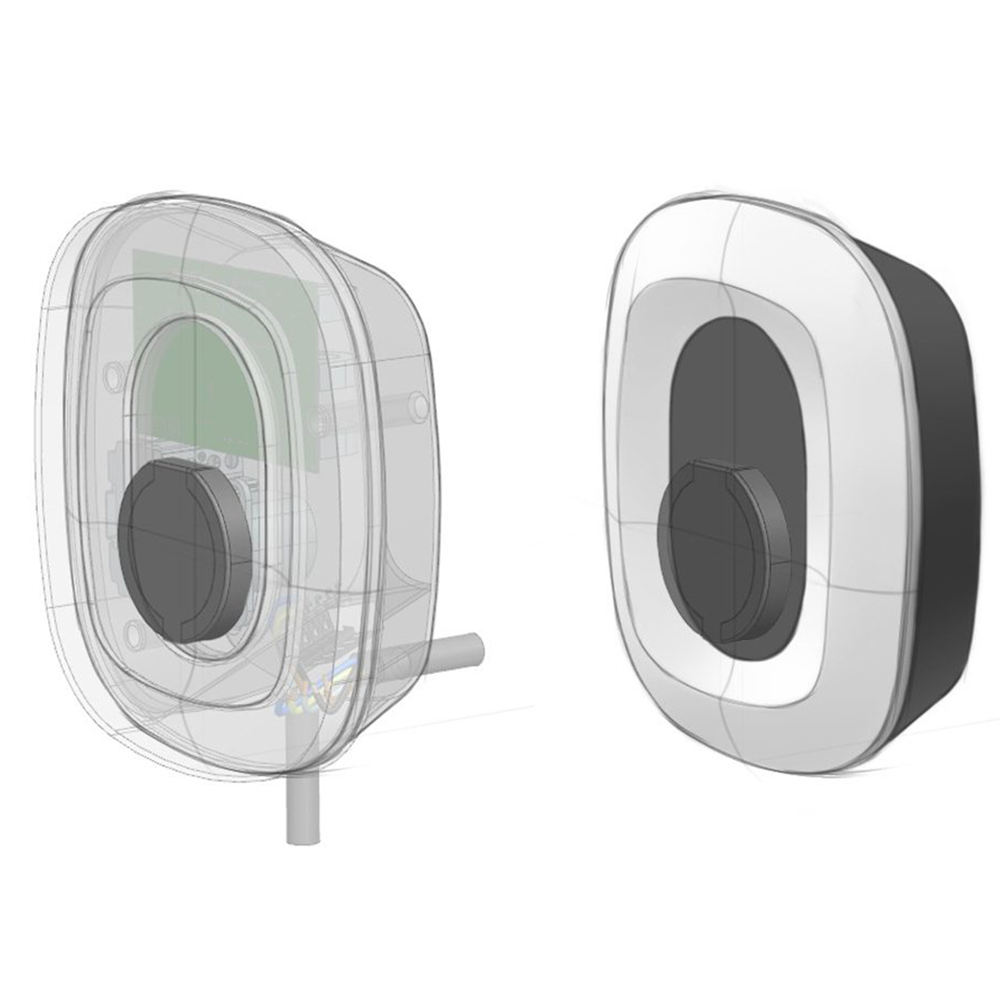
These companies rely on PEZY to turn their product into reality.






From product idea to clear specifications
An electronic product begins with the question of what it should do, for whom and under which conditions. Together with your team we translate domain knowledge into functional, technical and commercial requirements. We document the interrelations between electronics, mechanics, software and product design.
User and controls
We examine use scenarios, ergonomics and the desired interaction. The controls and information provided must suit the user and the context.
Environment and performance
Temperature, humidity, dust and mechanical stress are taken into account in the specifications. This gives component selection, construction and validation a shared starting point.
Maintenance and lifespan
Serviceability and repair require accessible components and well-considered connections. We clarify which parts must be replaceable and how maintenance should be performed.
Volume and business case
Cost targets, expected quantities and tooling investments guide the development choices. The production route is aligned with the desired volume and the required quality.
Interfaces between disciplines
PCBA, enclosure, displays, connectors, cabling and software or firmware are coordinated. Clear interfaces help to identify integration issues early.
Incorporating safety, EMC and regulatory requirements into the design
Applicable requirements differ by product category and target market. We map electrical safety, EMC, protection against environmental influences and relevant material restrictions. Medical requirements are included when the application is medical. This produces a plan for development, testing and documentation.
-
Safe use
Construction, components and use scenarios are assessed together for risks to the user and the environment. Safety is a design requirement, not a check that only happens at the end.
-
Reliable operation
We translate loads, environment and desired lifespan into concrete test questions. Electronics and enclosure must function together under those conditions.
-
CE and documentation
For products subject to relevant European regulations, we support preparation for CE marking with appropriate assessments and documentation. The manufacturer remains responsible for the conformity of the complete product.
-
EMC and degree of protection
Electromagnetic compatibility and the desired IP protection are examined as part of the overall design. Cables, openings, shielding and seals require joint decisions.
-
RoHS, REACH and sector‑specific requirements
We determine which substance restrictions, material data and additional requirements are relevant. Required evidence and any external assessments are scheduled in good time.
-
A substantiated market introduction
We align test results, technical documentation and remaining action points with the intended market. This clarifies the route to introduction, without offering a blanket guarantee of certification.
From system concept to a manufacturable electronics product
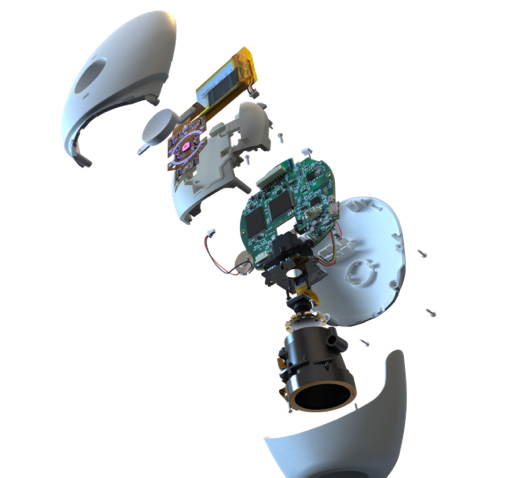
A usable electronics product requires a coherent design. PCB development and PCBA, enclosure, user interface, software or firmware and product design must align. We integrate these elements into a single process. Along the way we assess mechanical robustness, vibration, heat dissipation, EMC, water and dust protection, and the integration of displays, connectors and cabling. Assembly, servicing and brand identity are considered from the start. For larger volumes we investigate scalable techniques such as injection moulding. A quantity of around 1,000 units can prompt that consideration, but it is not a fixed economic threshold.
Materials and circular design choices
The choice of materials and connections affects performance, longevity, cost and the potential for repair and recycling. We balance mechanical, thermal, chemical and aesthetic requirements and assess sustainability choices in the context of the intended application.
Technical plastics
Plastics offer opportunities for integrated fastenings, interfaces and product shapes. The grade is chosen based on load, temperature, processing and any fire-safety requirements.
Aluminium and other metals
Metals can serve a role in stiffness, protection or heat dissipation. We also evaluate insulation, weight, manufacturing method and interaction with other components.
Composites
Composite materials are an option when combined properties are required. Manufacturability, joining methods and end-of-life processing are taken into account.
Recycled and bio-based materials
We investigate where alternative raw materials can be used responsibly. Designing for disassembly and recycling can improve the life cycle; a lower CO₂ footprint must be substantiated rather than assumed.
Testing electronic products with models and pilot series
From 3D-printed model to functional prototype: each version answers different questions. In the manufacturing facility in Groningen small series can be produced for functional and aesthetic validation. Test results are used to improve the complete product before scaling up.
Function and mechanical load
We test construction, operation and mechanical performance under relevant usage, impact and loading.
Thermal management
Temperatures and heat dissipation are evaluated in relation to the electronics and the enclosure.
Assembly process
Assembly sequence, accessibility and connections are examined for repeatability and production efficiency.
User experience
We assess interaction, clarity and ease of use with a prototype that matches the research question.
Water and dust
The complete implementation, including seams and connections, is evaluated against the desired protection rating.
Light output and light guides
Lighting and light guides are tested for distribution, uniformity, functionality and appearance.
Tolerances and interfaces
We check whether parts, seams and connections consistently work together within the agreed dimensions.
Reproducible production
Pilot parts help investigate whether material, process and assembly can deliver the agreed quality across multiple units.
Preparing the transfer to series production
After validation, the design, production drawings and specifications are developed for the chosen production route. We link Design for Manufacturing with tooling, sample inspection and clear agreements with manufacturers.
-
Designing for production
We optimise parts, tolerances and assembly for the chosen processes. Technical performance, cost price and manufacturability are assessed together.
-
An appropriate production strategy
Small series and complex processes can benefit from in‑house facilities. For other volumes we work with suitable partners in the Netherlands and Asia.
-
Tooling and reference samples
First parts from the tooling are measured, tested and improved if necessary. A Golden Sample and the recorded specifications together form the reference for production.
-
Manufacturer support
We support supplier selection, technical alignment, sample validation and cost optimisation. This ensures the design knowledge remains available at the start of production.
From pilot run to production and scaling
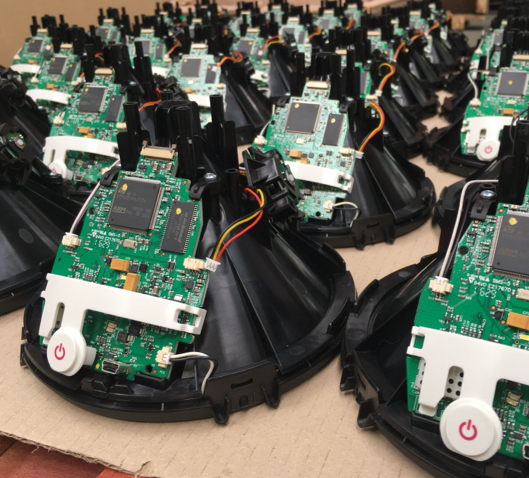
After the samples are approved we focus on production volumes, quality assurance and logistics. PEZY supports production start-up, scaling, quality checks and production validation. Supply chain, packaging and transport to assembly partners or end customers are also coordinated. In-house facilities and international manufacturing partners offer different options; the choice depends on the product, the required speed, volumes and costs.
Why PEZY
Why develop electronic products with PEZY?
At PEZY, design, technology and manufacturing decisions are made together. Your domain knowledge combined with our expertise forms the starting point for a manufacturable product. We take standards, scalability and material choices into account early on and validate the implementation with prototypes and pilot runs. The combination of design disciplines and in-house production facilities supports a targeted transfer to full production.
3 locations
Design, engineering and production in close collaboration.
Pilot Factory
From first model to small series, in-house.
30+ years
Product innovation since 1995.
Great Place to Work
Recognised based on feedback from our employees.
Discuss your electronics product
Do you want to develop an idea, validate an existing design or take the step to series production? We discuss the application, the disciplines required, product requirements and the main uncertainties. That way we determine a practical next step.
Contact
Send us a message
This site is protected by reCAPTCHA and the Google Privacy Policy and Terms of Service apply.