Designed and built for a longer life
Circular product development: preserving value through good design
Circular product development goes beyond using recycled materials. You design products that last, can be repaired and be reused. If reuse is no longer possible, you look at how materials can be recovered as raw materials. At PEZY we connect design, material choice and the supply chain to incorporate those possibilities from the outset.
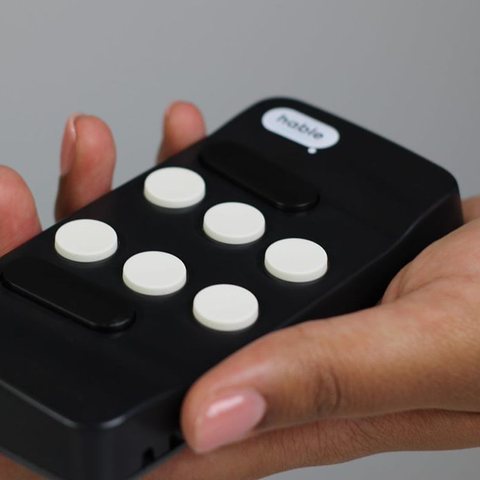
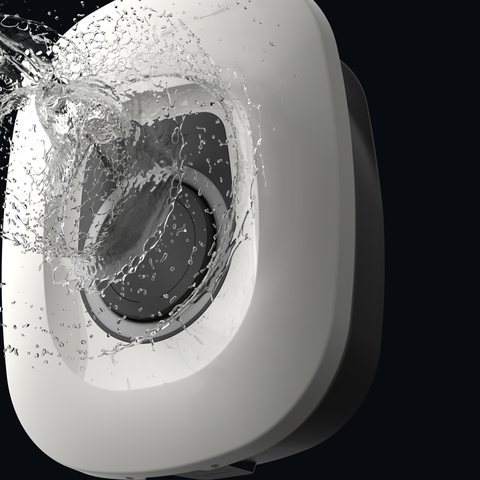
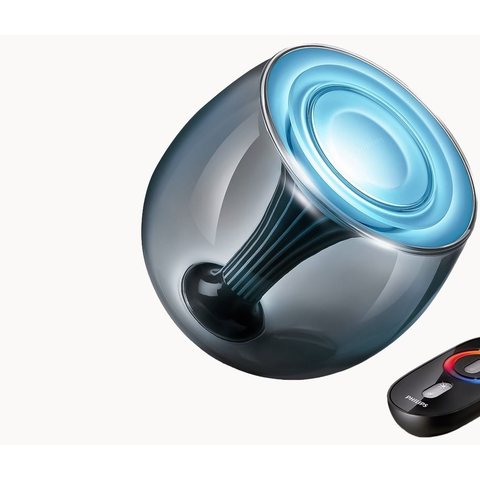

These companies rely on PEZY to turn their product into reality.






What is circular product development?
Designing a product for the entire life cycle, not just the first user.
In circular product development, products are designed and manufactured to last. Safe materials, recycled feedstocks, repairability and reuse are considered together. At the end of a usage phase we look at how value can be retained: in the product itself, in components or as raw material. The whole chain has a role to play in closing that loop.
The invention of plastic has changed our world profoundly. Plastics provide safety, convenience, affordability and a great deal of design freedom. At the same time, thoughtless production, poor design and incorrect handling have caused major environmental problems. That is precisely why circular design is so important for the way we use plastics.
Responsible use of plastic
Through thoughtful design, appropriate material choices and attention to longevity we can harness the benefits of plastic while limiting unnecessary single-use. Sustainability requires more than swapping one material for another: function, lifespan and processing must align.
Extending product and material use
By using products for longer, redeploying components and reusing or recycling plastics where possible, we keep material in circulation. We incorporate those possibilities into design decisions, rather than only considering them at the end of the life cycle.
Closing the loop together
Circularity is a supply-chain issue. What a designer conceives must also be feasible for manufacturers, users and organisations that collect and process products. That is why we consider the entire system the product enters.
The design phase determines what’s possible
According to the European Commission, up to 80% of a product’s environmental impact can be determined during the design phase. That underscores the importance of choices about service life, material use and end-of-life processing. At PEZY we translate that attention into concrete design questions, with the aim of creating value for users and limiting environmental impact.
-
Designing for a long service life
A circular design starts with a product that remains useful for a long time. We take the intended service life and the conditions of use into account when designing and selecting materials.
-
Enabling repair
In our designs we consider how a product can be maintained and repaired. Making parts accessible and replaceable helps keep the product in use for longer.
-
Incorporating reuse
Not every component has the same lifespan. We investigate whether the product or individual components can be reused and which design choices are required to make that possible.
-
Designing for recycling
Material choices and the way parts are joined affect what is possible after use. We therefore include disassembly and material processing in the design decisions.
-
Aligning with the actual value chain
A design can only contribute to a closed loop if collection, sorting and processing are aligned with it. That is why we connect design knowledge with insights from parties in the plastics and recycling chain.
European collaborations
Practical knowledge for circular product design
PEZY shares knowledge from European collaborations through publications and tools for designers and engineers. This helps turn a circular ambition into concrete design questions.

Braster: breast screening at home
Bringing a medical device to production readiness: technology, ergonomics, enclosure and app to market in one year.
View case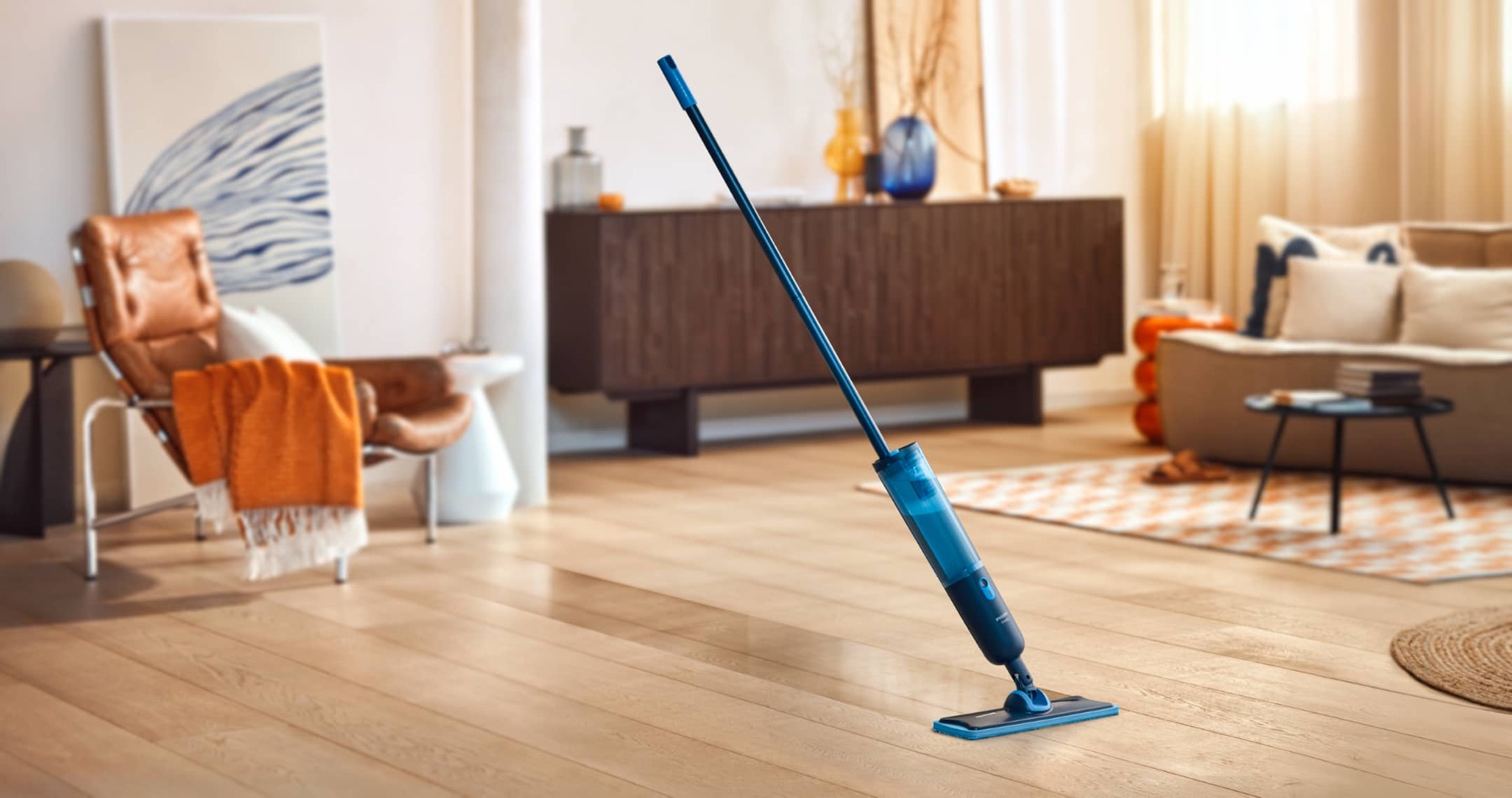
Philips OneUp: mopping without a bucket
From concept to a lightweight, agile and manufacturable product — with clean water, battery and tanks in one compact mop.
View case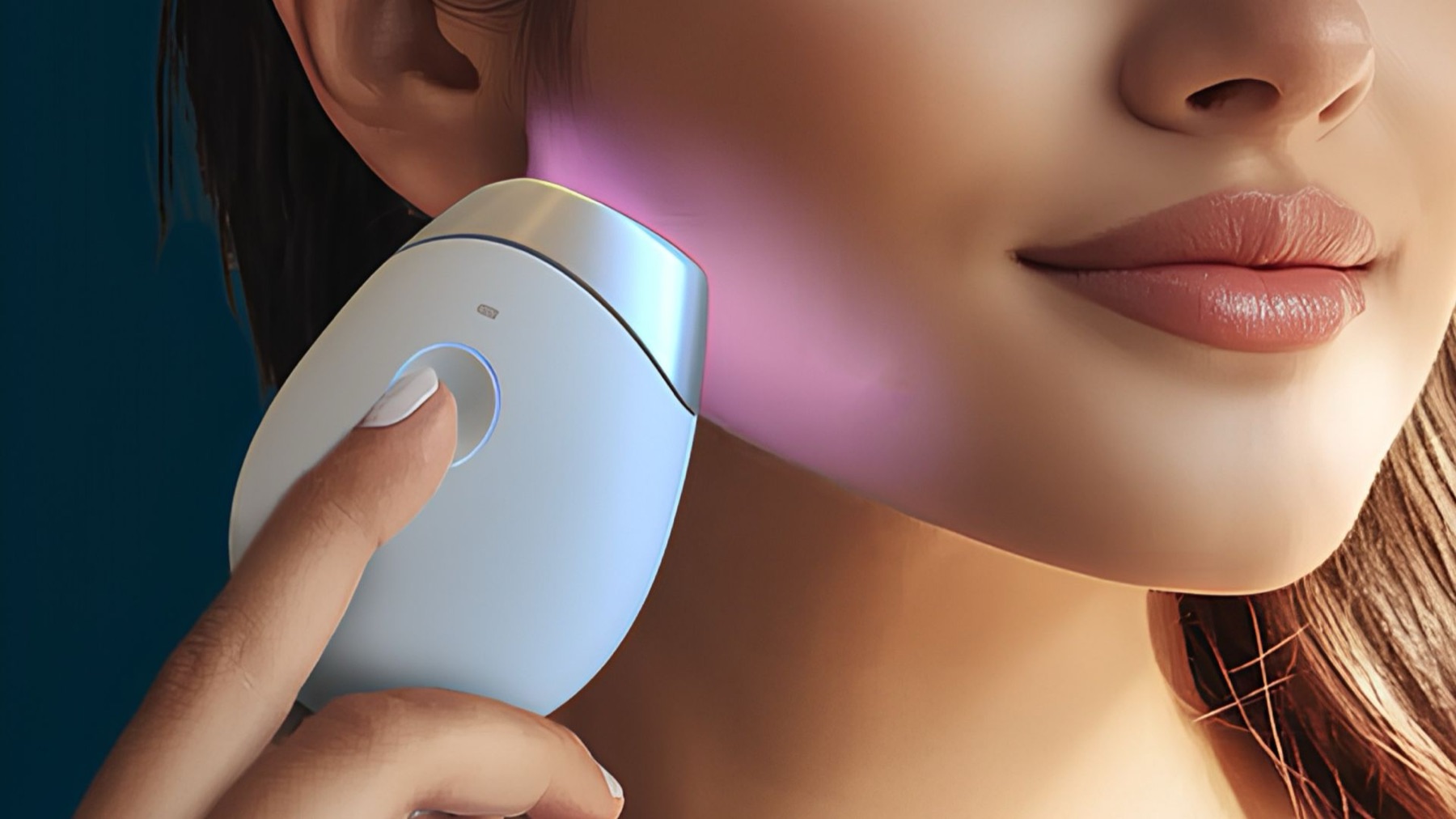
Skinly: skin analysis in your hand
From front-end innovation to production: a handheld with sensors and AI-driven advice, ready for international studies.
View case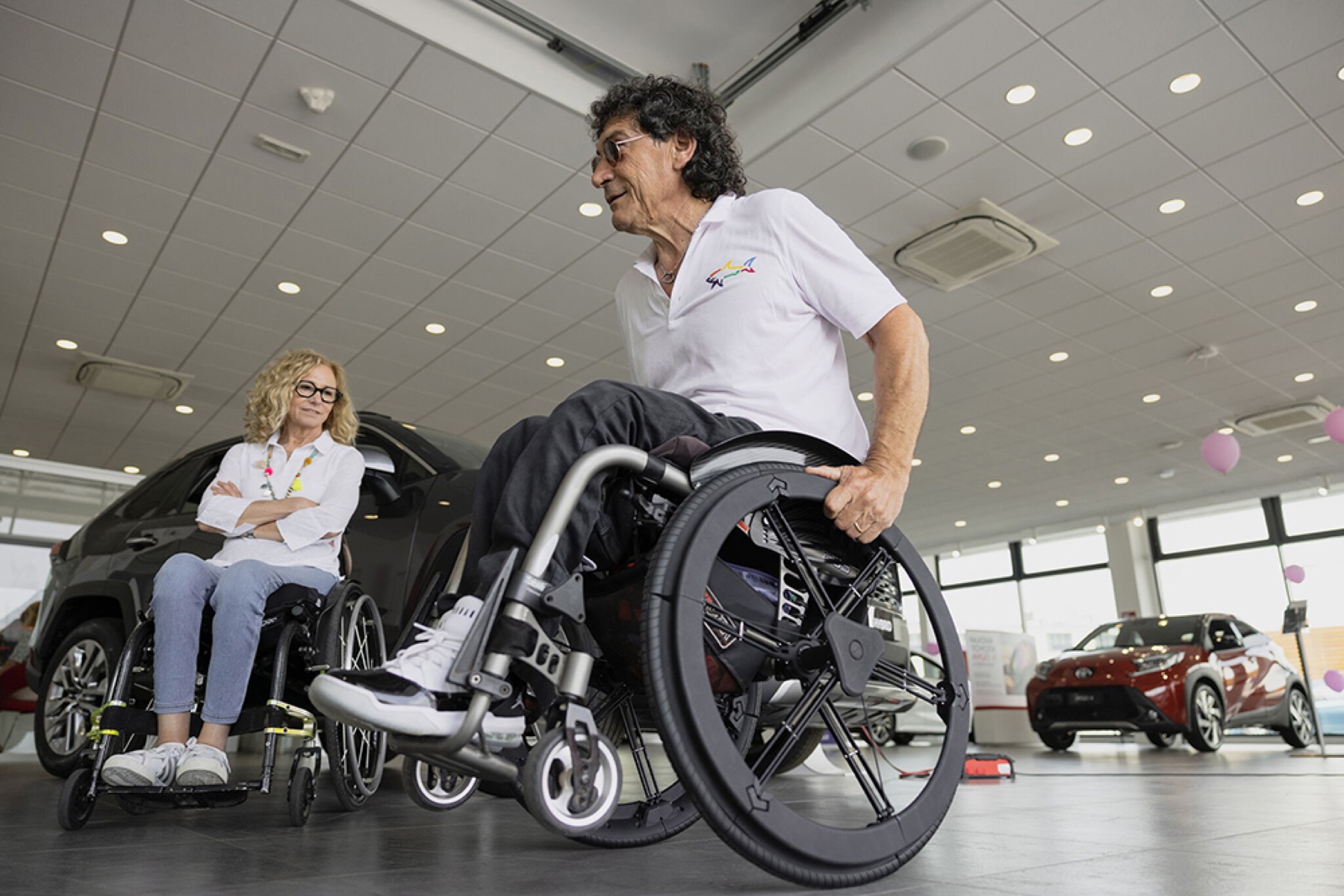
Revolve Wheel: foldable yet rigid
A wheelchair wheel that takes up to 60% less space, with a mechanism that almost folds itself.
View case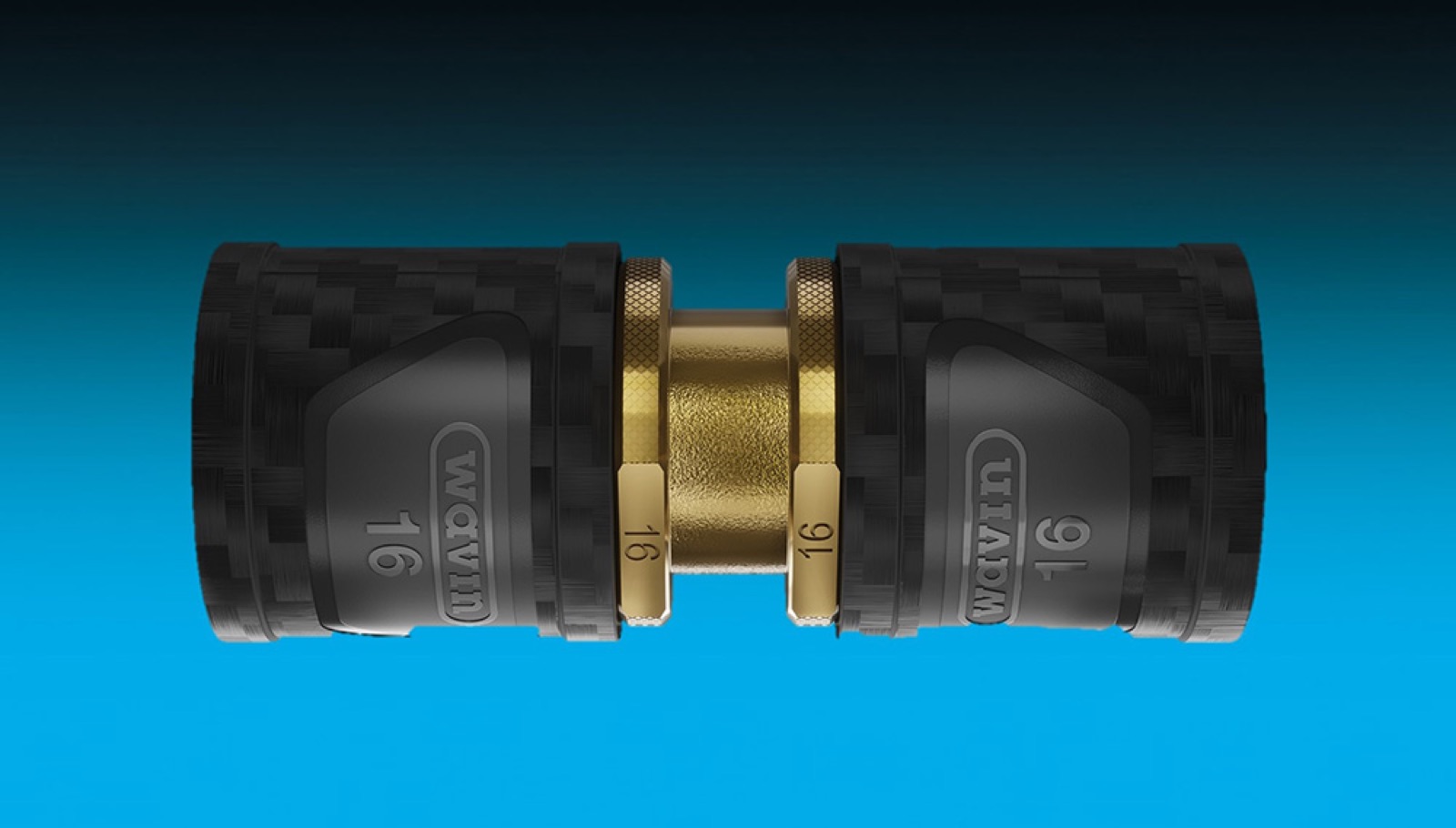
Wavin Tigris MX: a secure connection
Engineering, prototype moulds and industrialisation for a fitting that withstands temperature, pressure and assembly variation.
View caseWhy PEZY
Circular development with PEZY
PEZY is closely involved in circular product design. We combine knowledge of design and plastics with insights from the recycling chain. Our involvement in PolyCE and INCREACE is reflected in publications that help designers and engineers apply circularity in a practical way.
3 locations
Design, engineering and production in close collaboration.

Pilot Factory
From first model to small series, in-house.
30+ years
Product innovation since 1995.
Great Place to Work
Recognised based on feedback from our employees.
Een toekomst waarin circulariteit de norm is
Circulariteit vraagt om innovatie, visie en verantwoordelijkheid. Door integraal te denken en te ontwerpen voor het volledige productleven, werken we aan producten die langer waarde behouden. We willen dat circulariteit de norm wordt: voor de producten van vandaag en de generaties die volgen.
Discuss your circular design question
Do you want a product to last longer, make repair possible, or design for high‑quality recycling? Tell us what you want to achieve and which questions you have. Together we will explore how circularity can be integrated into your product development from the start.
Contact
Stel je ontwerpvraag
Beschrijf je product, je circulaire ambitie en de vragen die spelen. We denken graag met je mee.