From manufacturability to pilot runs and small series
Plastic injection moulding: from design to pilot series
Do you want to validate a design with moulded parts, run a zero series or produce small to medium volumes? At the PEZY Pilot Factory in Groningen, design, engineering, toolmaking and injection moulding production come together. We align tooling and processes with your product so you can test with representative parts and prepare for full-scale production.
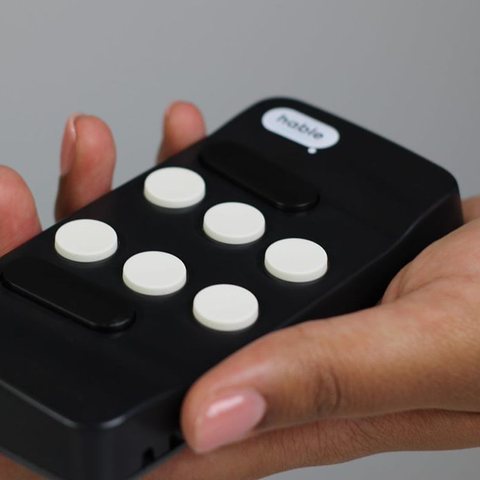
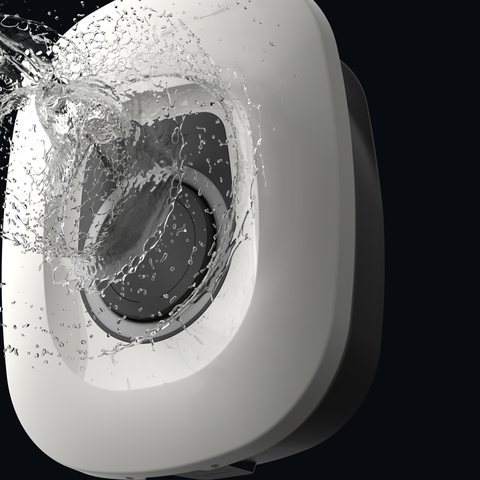


These companies rely on PEZY to turn their product into reality.






What is injection moulding?
In injection moulding, plastic granules are melted and injected under pressure into a mould. The material cools, the mould opens and the formed part is ejected. This cycle enables reproducible thermoplastic parts. With the right mould and process choices, the technique can be used for large volumes as well as pilots and small series.
Accurate shapes and details
Ribs, threads, textures and complex geometries can be part of the injection mould design. Undercuts require an appropriate mould construction. Flow simulations help investigate risks such as incomplete filling and warping at an early stage.
Surface quality
The finish of the mould influences the product’s surface. Smooth, high-gloss, matte or textured surfaces are possible. With mould finishing and process settings we aim to minimise post-processing, appropriate to the requirements for visible parts and technical surfaces.
Mechanical properties
Material selection, geometry and process settings together determine strength, stiffness and impact resistance. Injection-moulded parts can therefore be suitable for tests where material behaviour needs to be representative of the intended production series.
Costs and volumes
A mould requires an investment. Cycle time, automation, post-processing and volume then determine the cost per part. For pilots, aluminium moulds can be a suitable route. We assess the overall trade-off for each project, not just the price per unit.
Design rules for manufacturable injection-moulded parts
With Design for Manufacturing (DFM) we assess manufacturability before mouldmaking. Guideline values are a starting point: material, geometry, texture and mould construction determine what actually works. Thin-walled designs, for example around 0.5 mm, also require a specific evaluation.
-
Draft angles
A draft angle helps remove the part from the mould without unnecessary friction or damage. Values around 1° to 3° can serve as an initial design assumption, but the required angle depends on depth, material and surface texture.
-
Uniform wall thicknesses
Large differences in thickness can cause sink marks, warpage and longer cooling times. A range such as 1.5 to 4 mm is not a universal rule. We determine wall thickness based on material data, flow length, functional requirements and the chosen production approach.
-
Fillets and ribs
Fillets support material flow and reduce stress concentrations. The necessary radius depends on the geometry; a single fixed minimum value is not sufficient. Ribs are typically designed thinner than the adjacent wall. About 40–60% of that wall thickness is a commonly used guideline to limit sink marks.
-
Cycle time and cooling
Wall thickness, cooling channels and material choice influence how quickly a part can be produced. We evaluate these factors together to balance quality, reproducibility and cost.
From prototype to injection-moulding production
The Pilot Factory connects a digital design or 3D‑printed prototype to actual injection‑moulded parts. Engineering, toolmaking, production and validation work closely together. This enables findings from analyses and moulding trials to be addressed purposefully and retested before further investment is made.
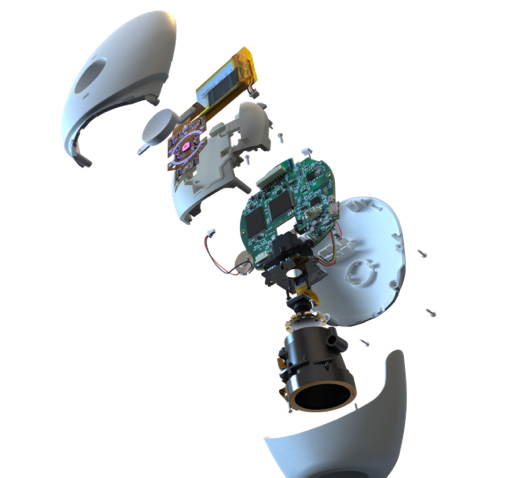
Our approach to injection moulding
From the first manufacturability questions to a reference for further production: every step has a concrete purpose.
Why PEZY
Why injection moulding at PEZY?
PEZY focuses on the bridge between prototype and series production. The combination of engineering, in-house mould making, injection moulding machines and validation facilities ensures short lines of communication. We investigate problems early and can feed the results of a trial series back into design, tooling or process. We pay attention to the economic trade-offs for pilots and small series, while also considering follow-up volumes. Experience with recycled materials, including PCR, and designs for recycling help incorporate circularity. Mechanical, dimensional and climatic tests are tailored to the project’s requirements.
3 locations
Design, engineering and production in close collaboration.
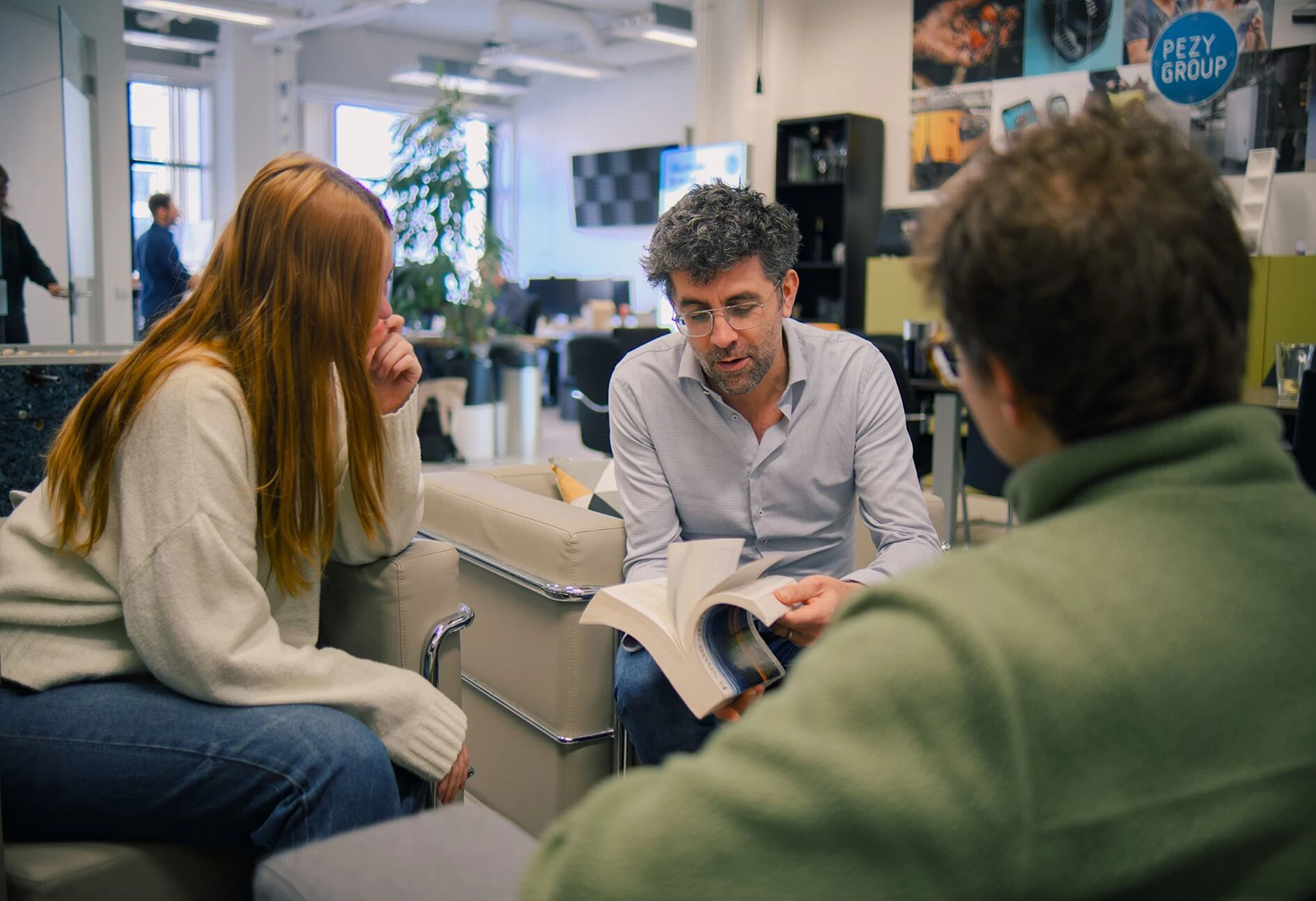
Pilot Factory
From first model to small series, in-house.
30+ years
Product innovation since 1995.
Great Place to Work
Recognised based on feedback from our employees.
Discuss your injection-moulded product
Do you want to run an initial pilot run, validate your design with real injection-moulded parts, or produce small to medium series? During a no‑obligation intake meeting we discuss design, volumes, material choice and manufacturability. That allows us to determine which production route is appropriate.
Contact
Send us a message
This site is protected by reCAPTCHA and the Google Privacy Policy and Terms of Service apply.