From lifecycle and material choice to a testable design
Sustainable product development: circularity from the design stage
Sustainable product development begins with choices about function, material, lifespan and what happens to the product after use. PEZY helps companies investigate those choices early in the development process. We combine design, engineering and practical validation with our Rapid Assessment Tool (RAT), so circularity goals are translated into a manufacturable design.
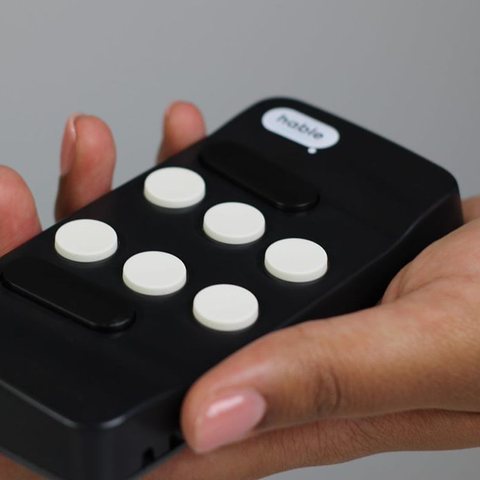
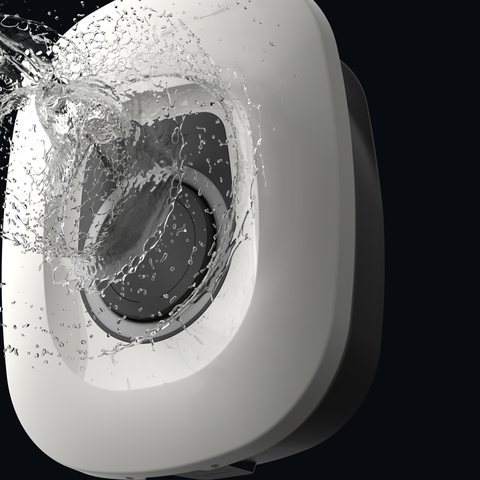

Choosing more than just a different material
A recycled raw material does not automatically make a product sustainable. We consider the full life cycle: raw materials, production, use, maintenance and the route after use. Performance and environmental impact are weighed together, as are costs and the value to the user.
-
Remain usable for longer
An appropriate service life, repairability and the ability to replace parts can extend the use phase. The preferred approach depends on function, loading and maintenance.
-
Targeted use of raw materials
We investigate material use and the suitability of recycled or bio-based materials. The assessment includes quality, availability, processing and the expected life-cycle impact.
-
Disassembly and reuse
Modular constructions and Design for Disassembly can support maintenance, take-back and reuse. Joints and material combinations are evaluated accordingly.
-
A feasible circular route
Recycling also requires collection, separation and suitable processing. We therefore look at the product and the chain, so that a design ambition aligns with a realistic route.
An integrated process for sustainable product development
Circularity is embedded from strategy and concept through engineering, validation and industrialisation. We start with the goals and available data, explore alternatives and test the key assumptions. Then we develop the chosen solution into a product that suits the user, the application and the intended production.

Design the right circular product
In the first phase we identify where the greatest opportunities and risks lie. With the RAT we surface design choices early. A materials scan and an initial life-cycle analysis can help compare directions; the level of detail is adjusted to the question and the available data.
Strategy and circularity analysis
We make ambitions concrete and investigate materials, life cycles and supply chains. Assumptions and missing data are made visible so the assessment can be deepened in a targeted way.
A strong value proposition
The product must be desirable, technically feasible and economically viable. Repair, reuse and recycling can add value, but they also require a suitable usage and business model.
Exploring concepts
We explore multiple directions with attention to modularity, disassembly and repair. Visualisations and models make the implications for function, use and manufacturability open to discussion.
Testing assumptions
Functional prototypes and targeted tests demonstrate whether the chosen principles work. Outcomes may prompt adjustments to a material, connection or circular route.
Develop the product sustainably and make it manufacturable
The chosen direction is translated into a design, material selection and production approach. We assess circularity targets alongside safety, performance and quality.
Engineering and materials
We investigate where recycled or bio-based plastics are appropriate and how electronics and mechatronics can be integrated. The performance of the specific material quality must be validated.
Prototyping and verification
The Pilot Factory supports prototypes and small production runs. In addition to function and durability, we examine, where relevant, disassembly, material combinations and recycling opportunities.
Industrialisation
Using DFM we align the design with tooling, assembly and production. Supplier choice and the available material streams are incorporated into the supply-chain preparation.
Evidence and possible certification
Desired certifications, such as Cradle to Cradle or other standards, require their own criteria and assessment. For each project we determine which preparation, data and external review are needed; certification is not an automatic outcome.
Incorporate regulations and product information in a timely manner
Legislation can impose requirements on the product, the manufacturer and the information that must be available throughout the supply chain. We map relevant developments and obligations based on product group, market and entry-into-force date. This is part of design and production preparation, not a general claim that every design already complies with future rules.
-
ESPR and ecodesign
The Ecodesign for Sustainable Products Regulation provides a framework for product requirements. The specific obligations are defined for product groups and do not apply to every product at the same time.
-
Digital Product Passport
Where a digital product passport applies, the required product data must be available. Which data are required and when the obligation takes effect depends on the relevant legal framework.
-
Producer responsibility
Extended Producer Responsibility (EPR) has arrangements per product stream and market. Take-back, collection and processing can therefore have different implications for design and organisation.
-
Substantiated sustainability information
Data on materials, lifespan and environmental impact can support reporting. A design choice by itself is not proof of CO₂ reduction or a particular ESG score: claims must correspond to the measurement method and results.
Expertise in sustainable product development
We combine materials expertise and manufacturing engineering with design for use, maintenance and recovery.
Plastics engineering
We assess complex injection-moulded parts for material, geometry and processing. Recycled or bio-based alternatives are evaluated against the conditions and functional requirements.
DFM and Design for Recycling
Manufacturability, assembly time and tolerances are linked to disassembly and the intended recycling route. We seek a workable balance rather than optimising a single property in isolation.
Electronics and mechatronics
Sensors, software and mechanical design are integrated with attention to service and potential upgrades. Modularity is weighed against robustness and actual use.
Rapid tooling and pilot runs
Early prototypes and small runs help to validate design and material choices. The results support preparation for production and an appropriate market introduction.
Why PEZY
Why sustainable product development with PEZY?
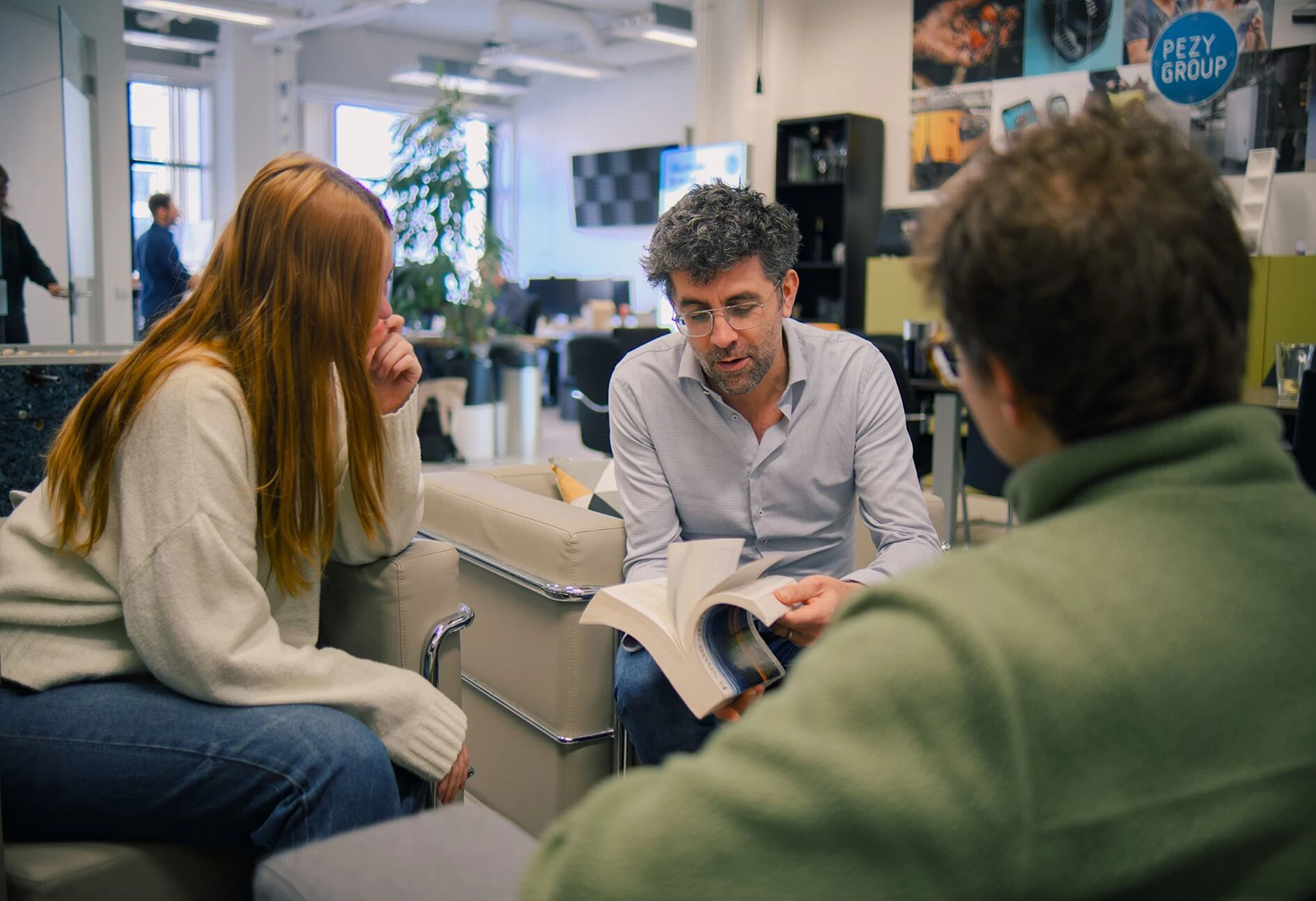
PEZY combines more than thirty years of product development experience with an integrated approach from design to production preparation. Our teams in Eindhoven, Groningen and the Utrecht region work on industrial products, medical applications and smart electronics, among other things. With the RAT, multidisciplinary expertise and the Pilot Factory, we make circularity part of development decisions. Short lines of communication help to bring new insights back into the design.
3 locations
Design, engineering and production in close collaboration.
Pilot Factory
From first prototype to small series, in-house.
30+ years
Product innovation since 1995.
Great Place to Work
Recognised based on feedback from our employees.
Make your sustainability ambition tangible
Do you want to extend product lifespan, improve material use or make a product better suited for repair and recycling? We will discuss the current situation, your goals and the data needed for a well‑founded next step.
Contact
Send us a message
This site is protected by reCAPTCHA and the Google Privacy Policy and Terms of Service apply.