Prototyping & rapid tooling
Prototyping and rapid tooling: from idea to tangible product
Prototyping makes an idea tangible and allows you to test form, function and usability. Rapid tooling enables the move to small batches, so you can also assess assembly, material behaviour and performance. At PEZY, we combine both—from the first model to practical testing and preparation for production.
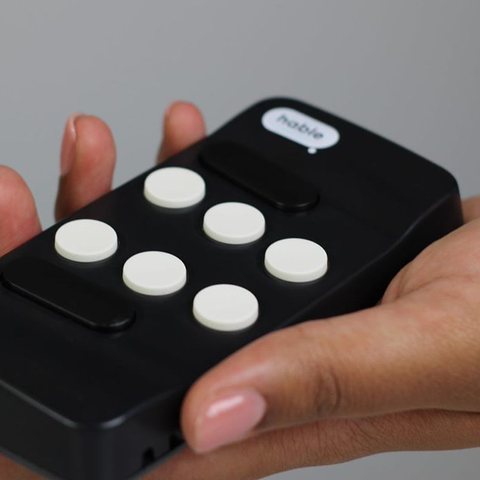
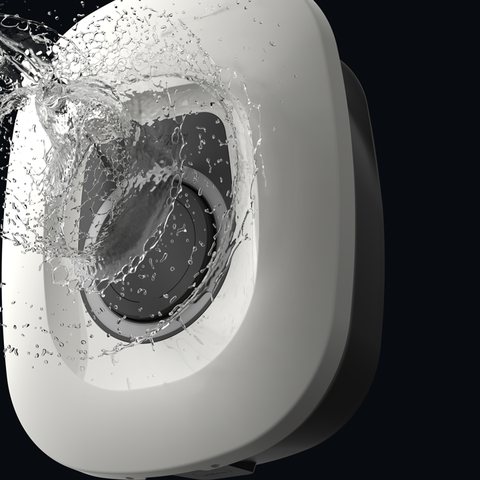
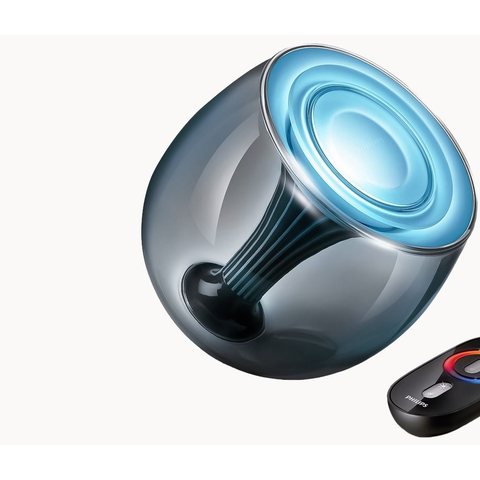
These companies trust PEZY to turn their product ideas into reality.






What is prototyping?
From a digital design to practical evidence.
Prototyping is the creation and testing of models to answer design questions before investing in series production. A prototype allows us to verify whether a function that works digitally also performs in practice. A functional demonstrator also makes a product innovation tangible for stakeholders and investors.
Before high-volume production begins, we test critical decisions about functionality, design and composition. The test objective determines how detailed the prototype must be and which properties it needs to represent.
A strategic step
At PEZY, a prototype is never just a model. A digital design shows what may be possible; a physical prototype reveals what actually works. It is a practical learning tool that guides the route to market introduction.
Design, engineering and production
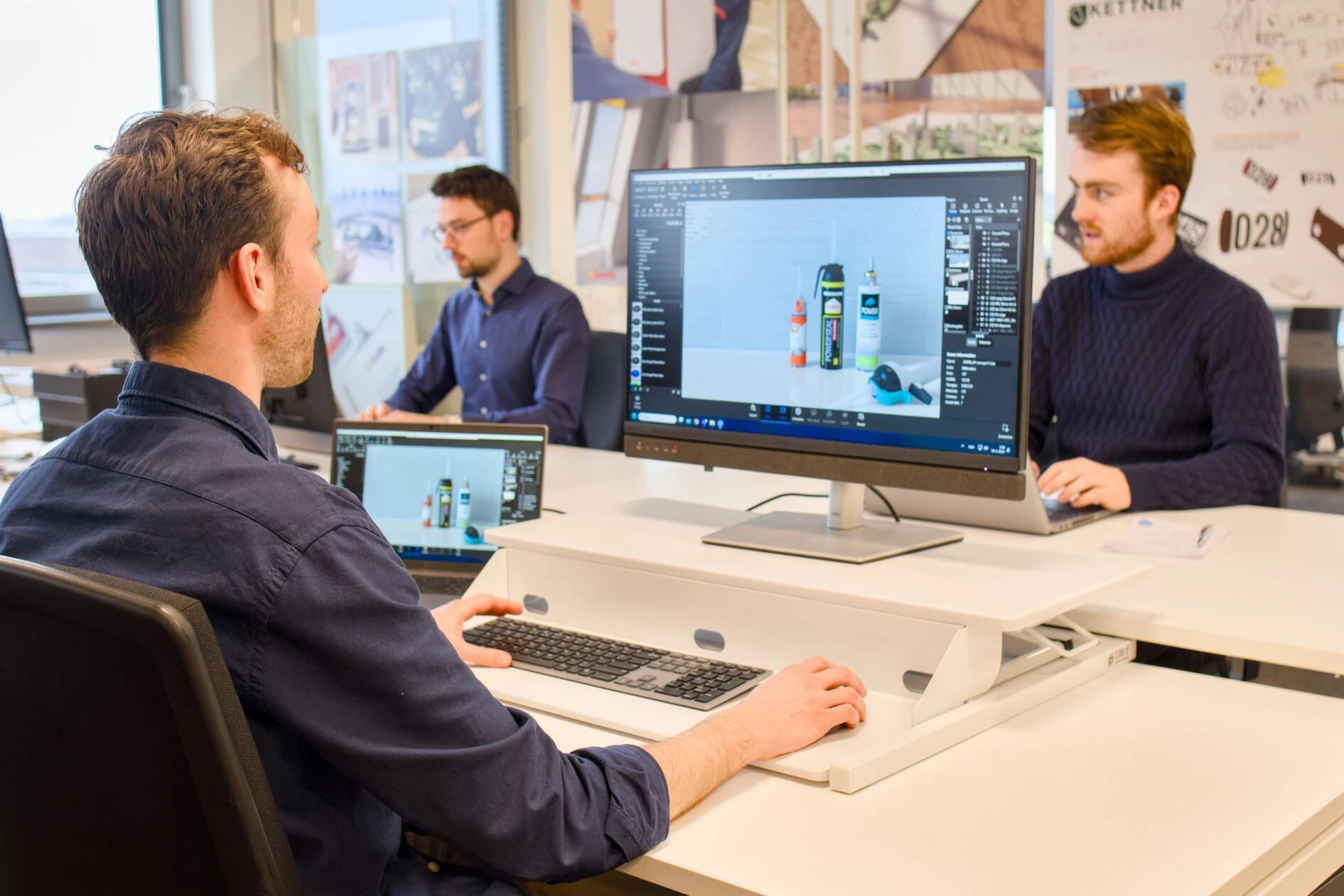
Our teams combine industrial design, plastics engineering and production expertise. Designers work closely with engineers, materials specialists and production managers. We consider not only form and function, but also manufacturability, material selection and circularity.
Develop and validate iteratively
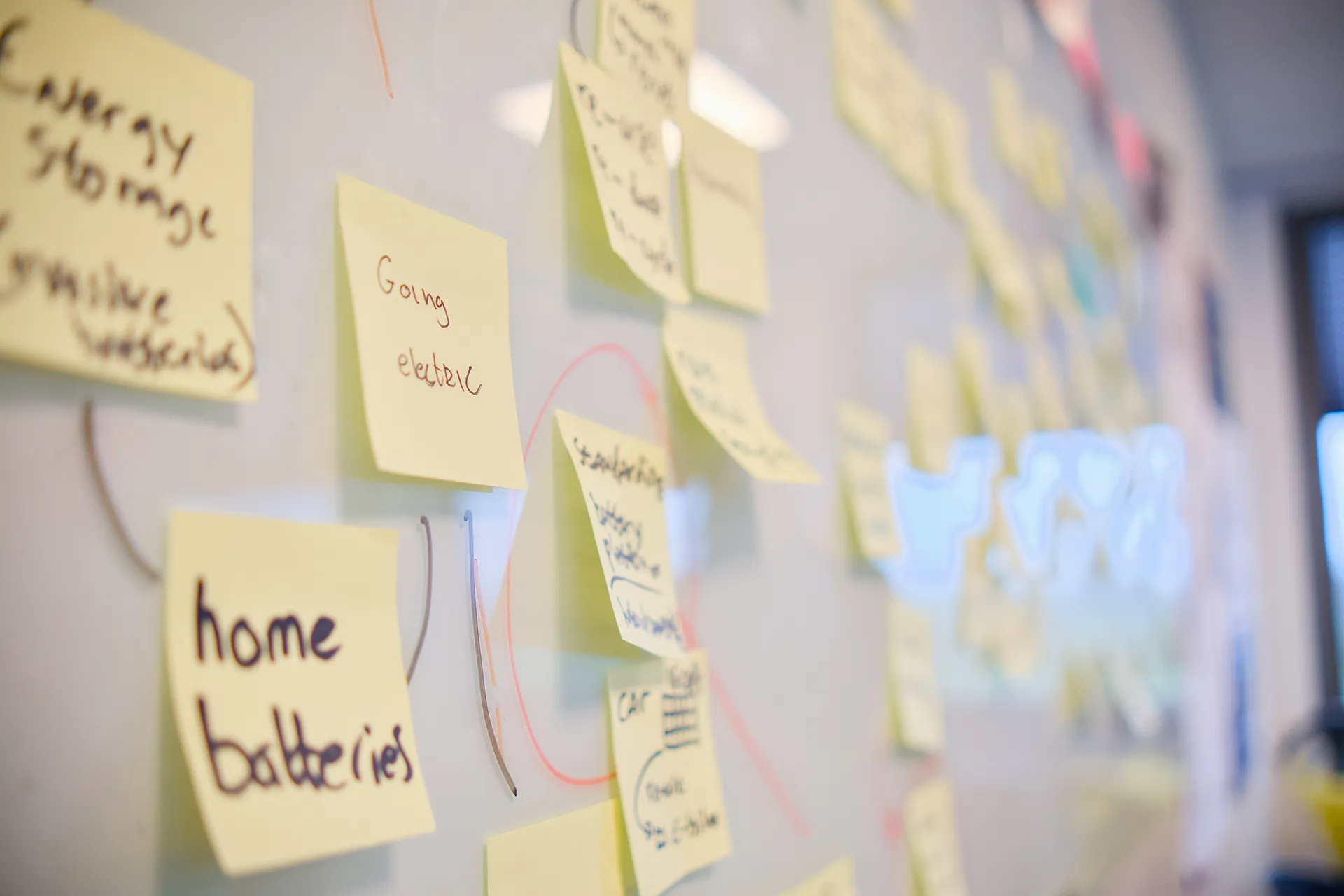
We develop and test multiple variants. Each iteration provides insights that help us improve the product step by step. By validating critical decisions early, we reduce risks and prevent untested assumptions from carrying over into the next phase.
From form study to functional model
For example, we create a simple form study using a 3D printer. For the next test, we develop a functional model and assess manufacturability, durability and assembly with our Plastics Factory. From simple low-fidelity models to detailed high-fidelity prototypes and pre-production models, each version answers different questions.
Test materials early
Sustainability does not begin at production. At this early stage, we test how recycled or bio-based materials perform. This allows us to incorporate material behaviour into the design and determine whether a choice suits the function and intended production route.
Designing for the next life cycle
We investigate how a product can be easily disassembled or reused at the end of its service life. This makes a prototype a step towards a scalable, sustainable solution rather than merely a realistic representation of the final product.
Why prototyping is essential
Prototyping gives you early feedback from users, engineers and stakeholders. This allows you to substantiate design decisions and address problems before they affect tooling or production. Four reasons to make ideas tangible:
-
Learn faster
A physical prototype shows how a design behaves in practice. Feedback from users, designers and engineers reveals whether the ergonomics are right, the interaction is intuitive and the product feels pleasant to use. Targeted tests also help investigate safety questions. Making improvements early limits the time and budget that could be lost to incorrect assumptions.
-
Reduce risks
An error discovered early can prevent costly corrections to tooling or production. We test manufacturability, assembly, material behaviour and service life across disciplines. We also address circularity: can the product be disassembled later, and is a recyclable plastic suitable? This reveals bottlenecks before investing in production moulds or production lines.
-
Convince stakeholders
Investors, partners and end users understand a product better when they can experience it physically. A demonstrator supports discussions about funding, collaboration or a market test. Alongside functionality, we therefore pay attention to appearance. A prototype or small batch shows what already works and what still needs validation.
-
The bridge to production
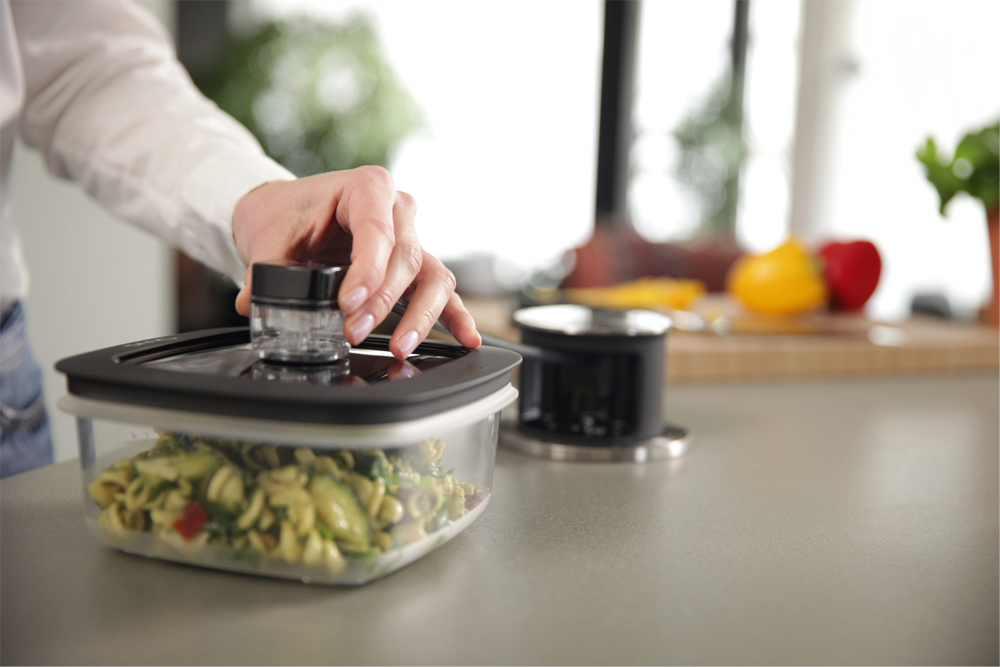
With rapid tooling, we produce small batches for practical testing. This allows us to test assembly, tolerances and performance before investing in moulds for larger series. This pre-production phase reveals remaining risks and can shorten the route to market. The link with our Plastics Factory connects initial sketches and individual prototypes with small production runs, market tests and preparation for larger series.
From first model to realistic test
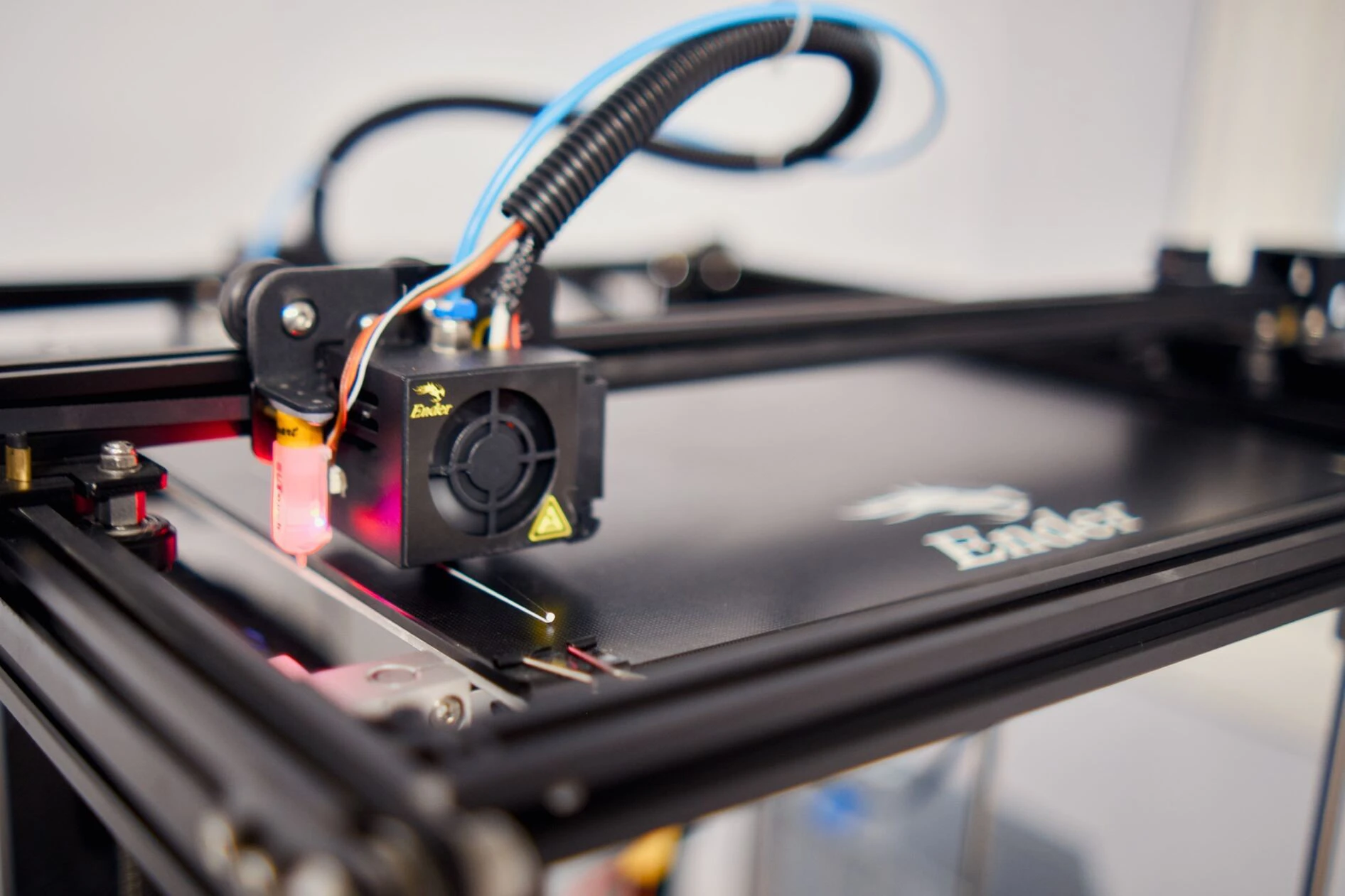
Design, prototyping and production come together in the PEZY Protolab and Plastics Factory. A form study helps assess dimensions and ergonomics. A functional prototype or small batch also allows material behaviour, assembly and performance to be tested. We tailor the technique to the question you want to answer.
Discuss your prototype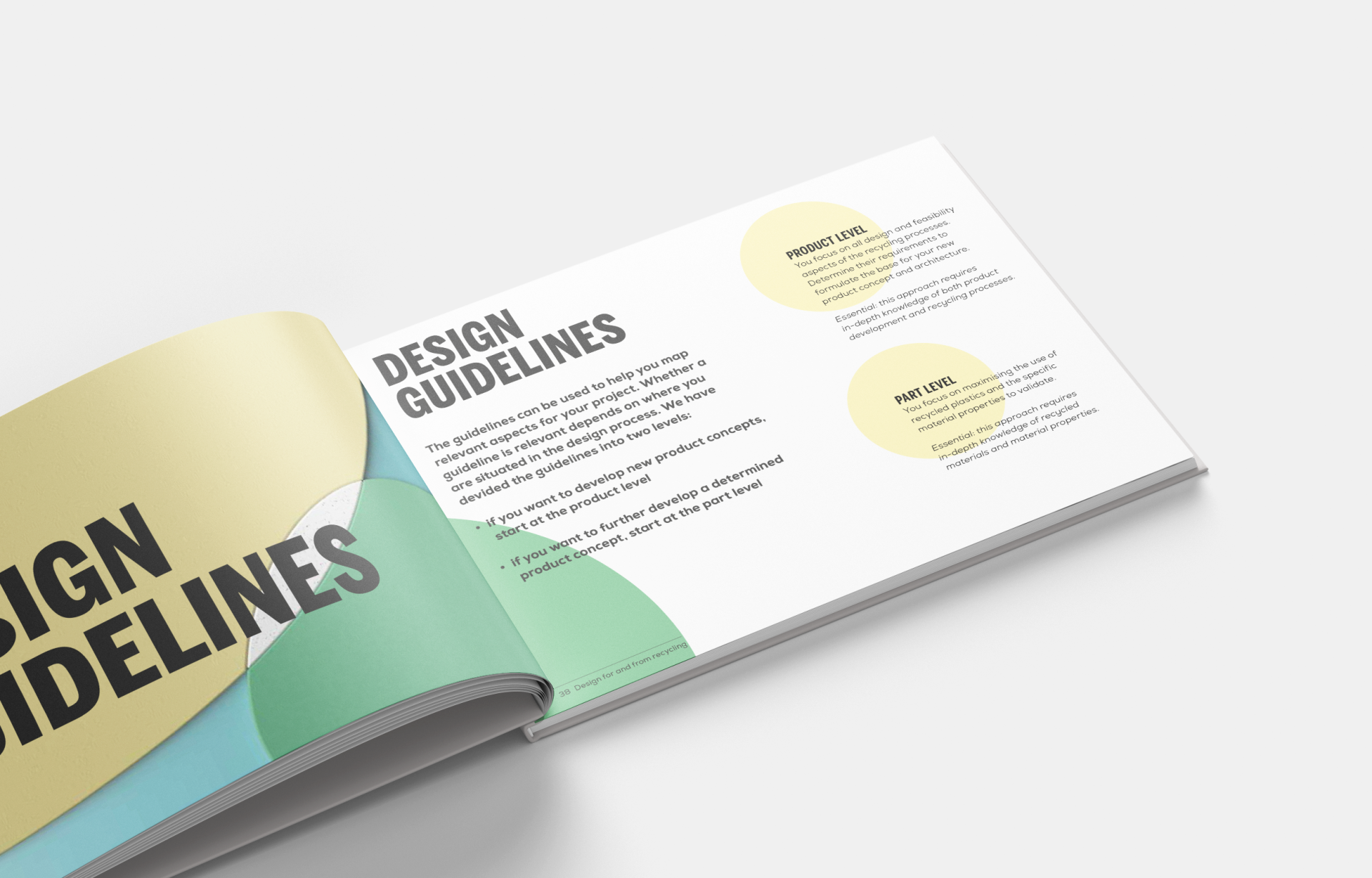
Incorporate circularity into your prototype
Sustainable development requires decisions about design, materials and the entire chain. That is why we investigate circularity during the prototype phase. Our e-book Design for Recycling – Design from Recycling shows how to design for recycling and with recycled materials. Request it free of charge and apply the insights to your design decisions.
Request the e-bookPrototyping methods and techniques
The right technique starts with the question you want to answer.
At the PEZY Protolab, we create the first tangible versions of a product, which can quickly be tested for form, dimensions and ergonomics. Once the fundamentals are right, work shifts to our own Plastics Factory, equipped with 3D printers, a tool shop, injection-moulding machines and a range of testing and finishing tools.
We are not limited to plastics. Using metalworking tools and components such as metal inserts or upholstery, we build complete prototypes and small batches that correspond as closely as possible to the intended final result.
3D printing
Using SLA, SLS and FDM, we quickly produce models for form and function testing. The appropriate printing technique depends on what we need to assess, such as dimensions, ergonomics or component performance.
CNC machining
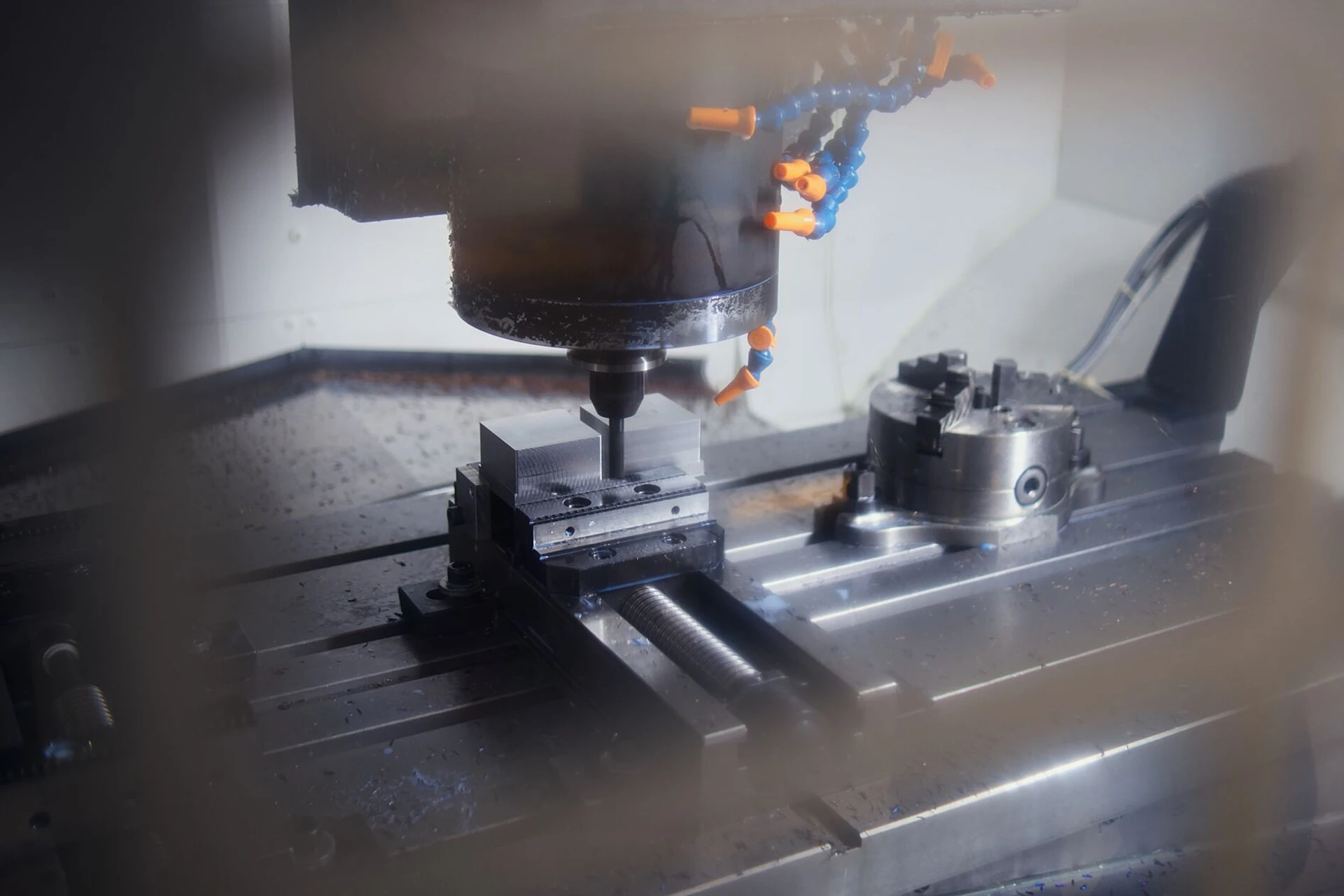
We use CNC machining for strong, precise parts. This route is suitable when material choice and dimensions are important for a representative test.
Vacuum casting
Using vacuum casting or urethane casting, we produce small batches with a high-quality surface finish. This allows multiple models to be used for evaluation, demonstration or user testing.
Rapid tooling
Rapid tooling is the production of tools for prototypes and small batches. Soft tooling and aluminium moulds allow us to injection-mould parts in limited quantities. This lets us test assembly, tolerances and performance through a production route aligned with the intended final product before investing in moulds for larger series.
Injection moulding with pilot tooling
Conventional injection moulding combined with pilot tooling produces representative end products for further validation. It connects prototyping with pilot production and preparation for larger series.
A decision for each prototype
Each method has strengths and limitations in speed, material choice, tolerances and cost. Close collaboration between design and production allows us to switch between techniques. We select the approach that fits the project phase and the question the prototype must answer.
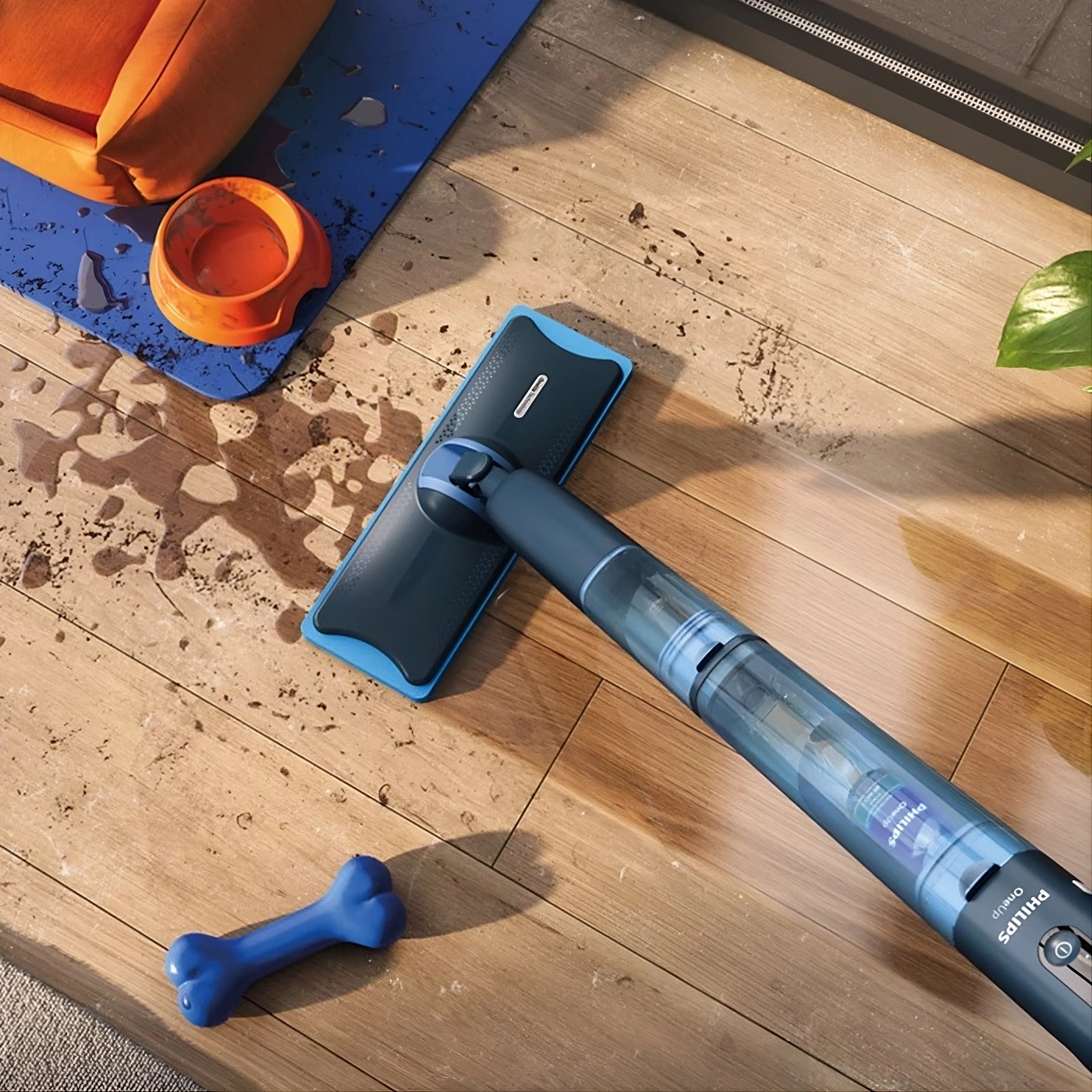
Philips OneUp
Discover how PEZY contributed to Philips OneUp: a floor cleaner that lets you mop without a bucket.
View case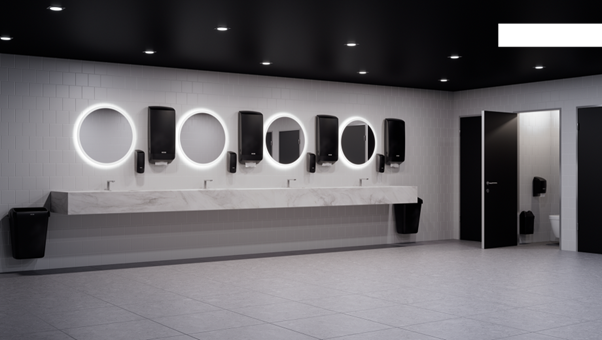
Katrin Hand Towel XL Dispenser
A high-capacity dispenser developed with a carefully designed rib structure for reliable dispensing and easy maintenance.
View case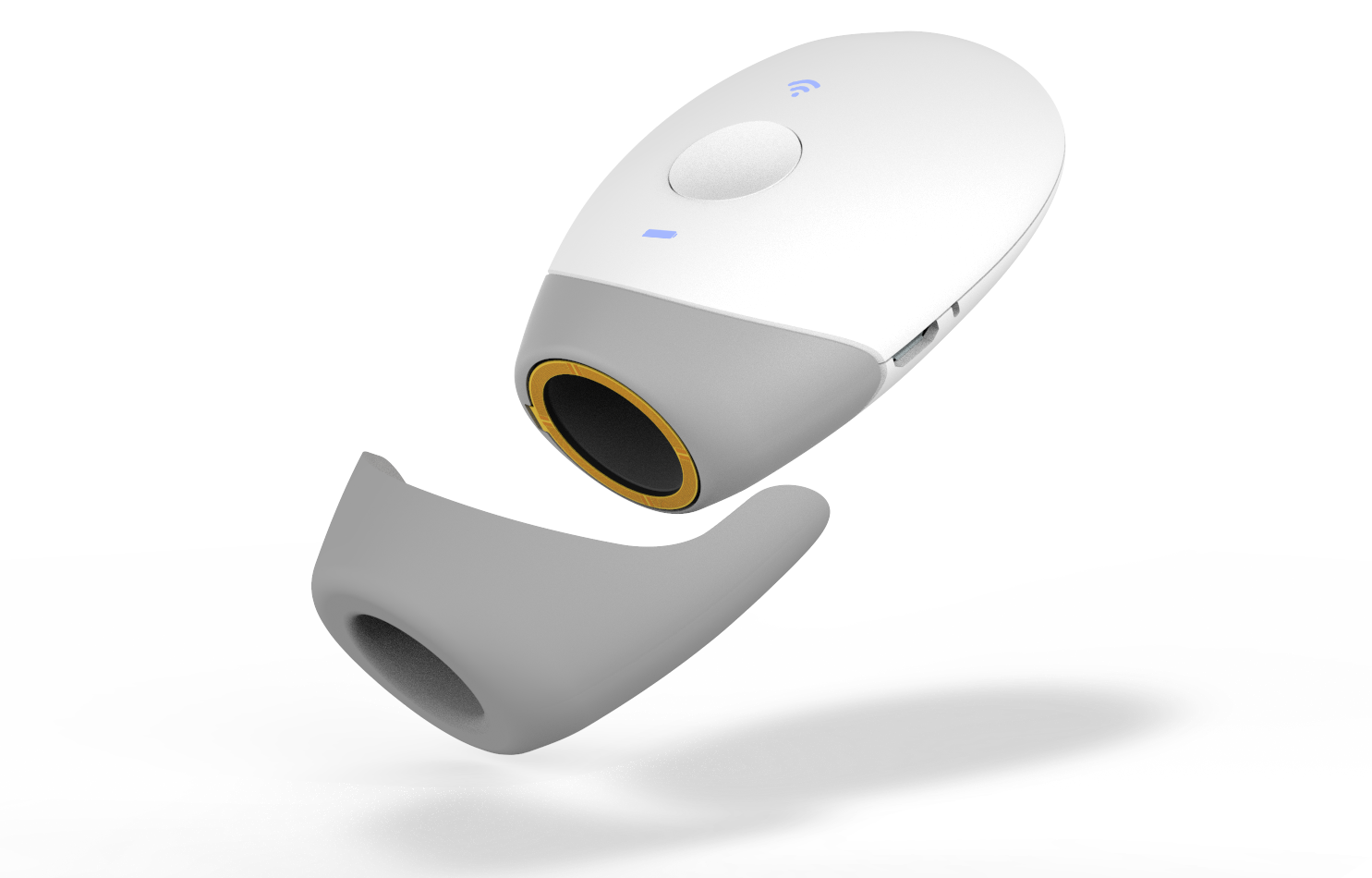
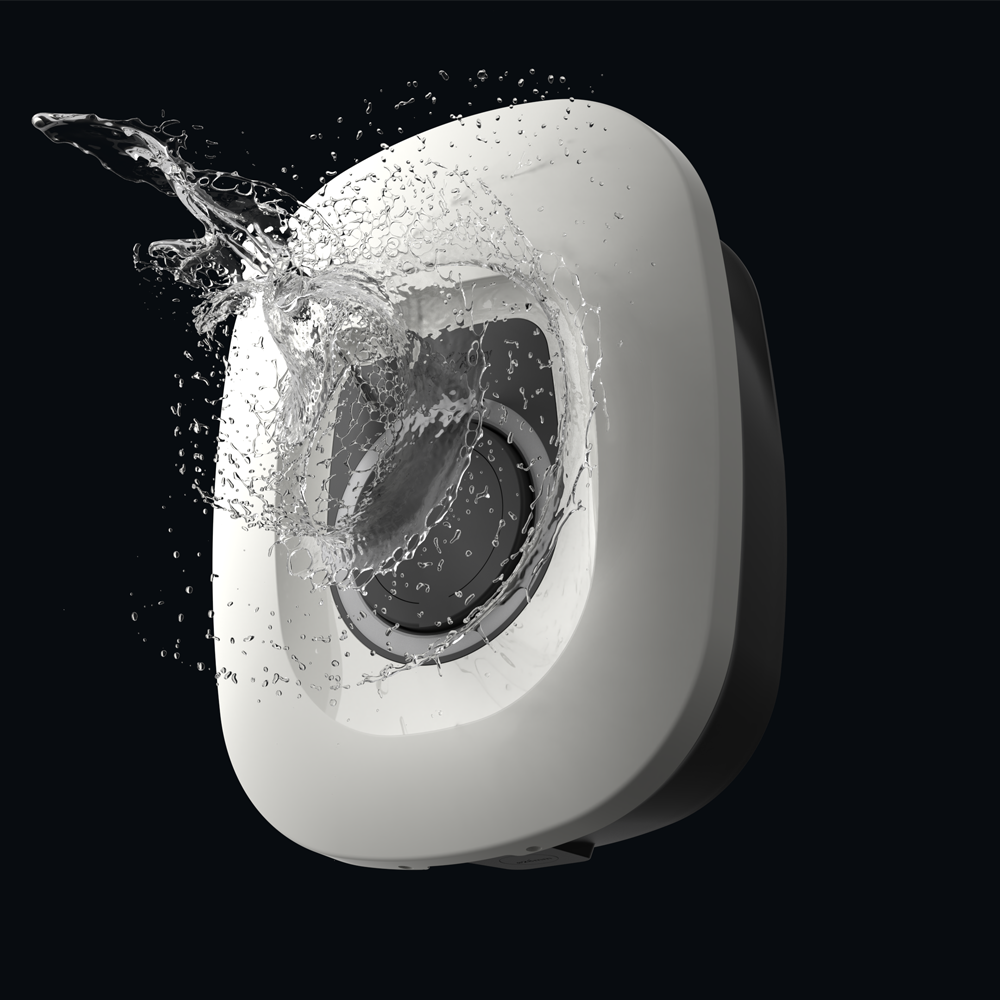
Victron Energy EV Charger
A charging station for electric cars, designed for the home market.
View case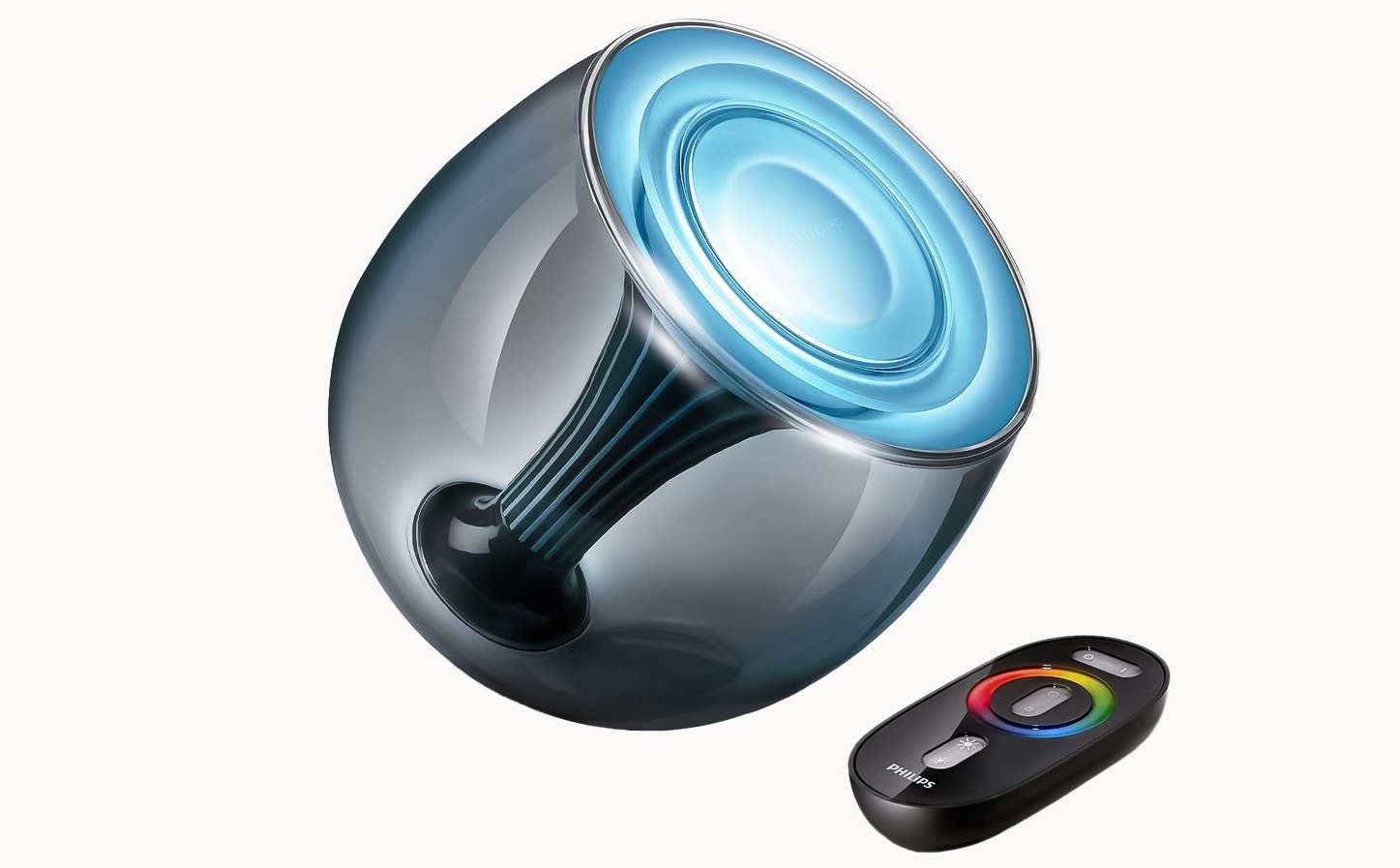
Examples of products we have developed
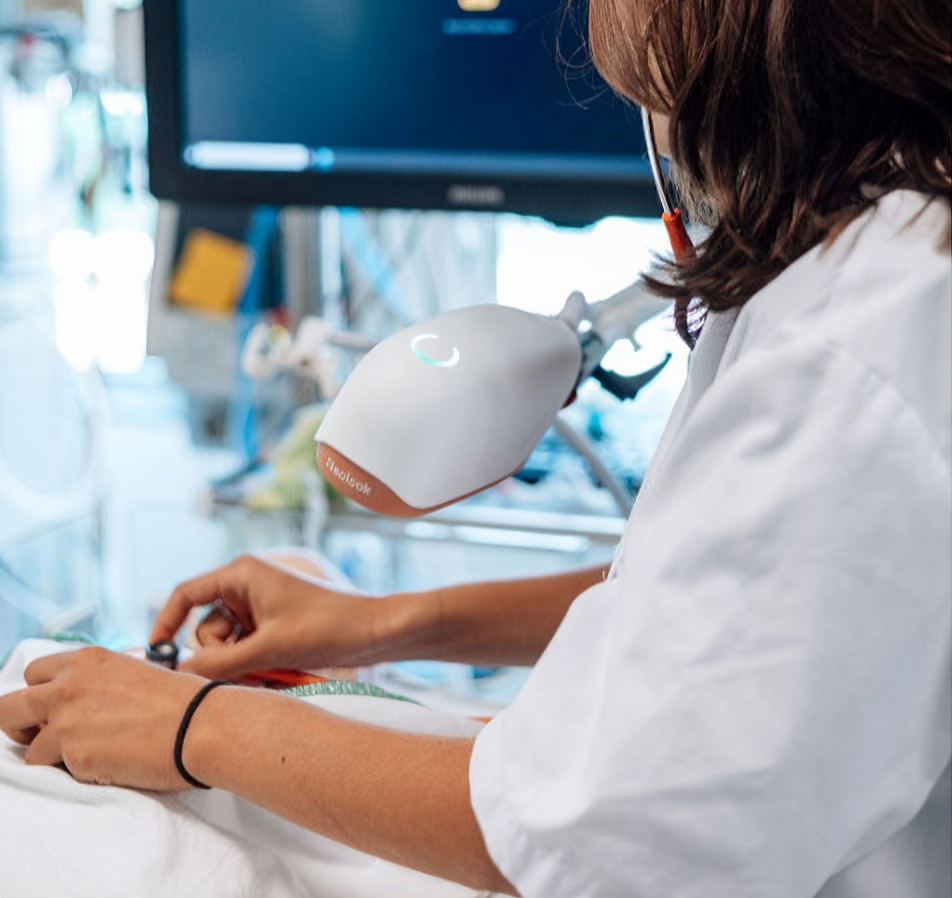
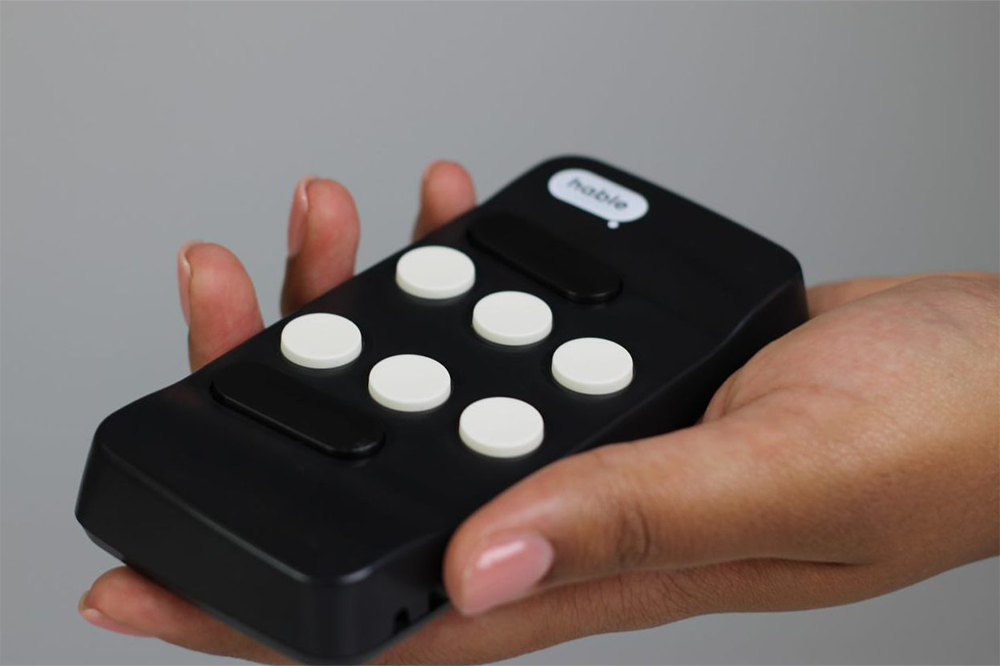
PEZY develops innovative products for diverse markets, from consumer products to medical equipment. See how our teams turn ideas into usable, manufacturable products.
View all our workWhy PEZY
Why choose prototyping at PEZY?
At PEZY, the first sketch, physical prototypes and tooling come together. Our multidisciplinary teams of designers, plastics engineers and production managers collaborate closely and move quickly between disciplines. The direct link with the PEZY Plastics Factory helps us turn ideas into models that we can test purposefully and prepare the scale-up to series production at an early stage. We have experience across a wide range of sectors, from medical technology to consumer goods and industrial applications. We combine that knowledge in every project. We also look beyond functionality: circular development is part of the process from the outset, with attention to manufacturability, scalability and product service life.
3 locations
Design, engineering and production in close collaboration.
Pilot Factory
From the first model to small-batch production, all in-house.
30+ years
Product innovation since 1995.
Great Place to Work
Recognised based on feedback from our employees.
Discuss your prototype with PEZY
Do you want to make an idea tangible, test a design or take the step towards a small batch? Tell us what you want to learn and where you currently stand. Together, we determine which prototype and technique best suit that question.
Contact
Schedule an appointment
Choose a convenient time. We will discuss your prototype question and a logical next step.