How do you ensure consistent quality in every production batch?
Quality assurance in serial production requires a consistent approach to prevent an earlier approved sample and later batches from differing. The article describes four practical steps — recording specifications, determining inspection moments, controlling deviations and changes, and deliberate batch release — plus organisational preconditions for sustained batch quality.
In brief
- Record unambiguous product specifications and quality criteria including measurement methods, tolerances, critical characteristics and version control so manufacturer and inspector share the same baseline.
- Set clear inspection moments and sampling plans (including AQL application), determine when results should stop production or shipment, and combine sampling with process monitoring for trend detection.
- Manage deviations and changes formally: identify and segregate batches, assess deviations against all requirements, authorise exceptions, verify corrective actions and make batch release an explicit, documented decision with the necessary data.
An approved sample shows a supplier can produce a product according to the agreed requirements at that moment. It does not prove that every subsequent batch will reach the same quality. Tools can wear, raw materials can vary and settings can change. A different drawing or a replaced component can also affect the final product.
Quality assurance in serial production therefore requires a consistent approach: clear requirements, appropriate inspections, follow-up on deviations and a deliberate decision on batch release. For operations, procurement and quality managers, these are four steps to maintain control over ongoing production.
1. Define specifications and quality criteria
Consistent batch quality starts with a shared understanding of what is acceptable. Ensure your manufacturer and inspector use the same up-to-date product specifications. Document dimensions, tolerances, material, functionality and relevant safety and appearance requirements. Also specify which characteristics are critical and who may decide on a deviation.
A drawing alone does not tell you how to assess a product. For each important characteristic, describe the test method, the measuring instrument and the conditions. A dimension measured immediately after production can, for example, give a different result than the same dimension after the product has cooled. Without agreed measurement conditions, client and supplier can draw different conclusions about the same part.
Link the requirements to an inspection protocol and clear revision control. That way everyone knows which version applies to a batch. For more background see our article on drafting product specifications.
Consider, for example, a plastic housing where fit is important. An inspection plan can prescribe both a dimensional measurement and an assembly test. Requirements for scratches or colour differences should be specified separately, possibly with approved reference images. This is an illustrative example: the right inspections depend on your product and the consequences of a deviation.
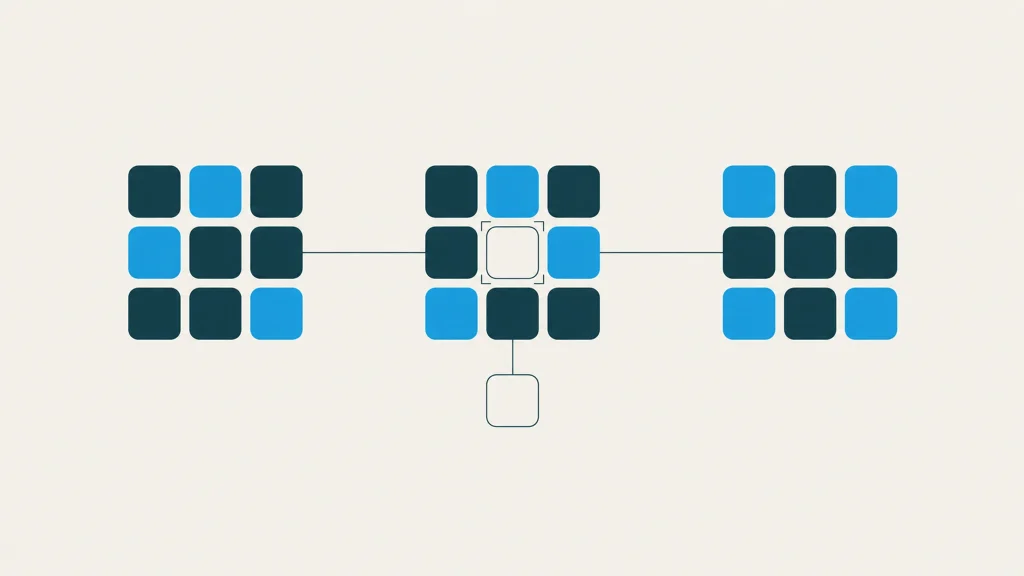
QUALITY ASSURANCE IN SERIAL PRODUCTION
Control over every batch
From clear requirements to an evidence-based release.
Recording specifications
Work from the same up-to-date requirements, tolerances, measurement methods and product revision.
Planning inspections
Decide what you inspect before, during and after production, and when to intervene.
Controlling deviations
Identify affected batches, assess deviations and verify corrective actions and changes.
Deliberate release
Have an authorised responsible person record the release or hold based on the results.
2. Decide what to inspect and when
Choose inspection moments based on product risks, process behaviour and past results. After a machine change or new setting, an inspection of the first parts can help find errors early. In-process inspections reveal changes before the whole batch is finished. A final inspection then provides information for the shipping decision.
Define in advance which characteristics are checked at which moment, how many products you assess and when a result should stop production or shipment. Also agree who receives the results and within what timeframe action is required. A report that arrives only after goods have departed leaves little room to intervene.
What does an AQL sample tell you?
An acceptance sample helps decide on batch acceptance or rejection according to an agreed plan. For AQL-based sampling plans, the sample size and acceptance limits depend on batch size, inspection level and the chosen quality limit. ISO 2859-1 describes sampling systems for inspections where characteristics are judged conforming or non-conforming.
Such a sample is not a method to remove every defective item from the batch. An accepted batch may still contain non-conforming products. Acceptance sampling and process monitoring therefore have different purposes: the former supports the batch decision, the latter helps detect process changes and control root causes.
Decide per product which combination is appropriate. For critical characteristics additional checks may be necessary. Even 100% inspection does not automatically provide certainty: the test must be suitable for the characteristic and performed reliably.
3. Assess deviations and control changes
When a deviation occurs, first clarify which products may be affected. Identify the involved batch, segregate it if necessary and record the problem with measurement results or images. This prevents products with an open assessment from being shipped unnoticed.
Assess the deviation against all agreed requirements. Consider functionality and safety, but also appearance, assembly and use. A scratch without functional consequence can still fall outside the agreed quality. Allow a deviation to be accepted only by an authorised person and record the justification.
Then agree what happens next: repair, sorting, re-production, rejection or permitting a documented deviation. Distinguish between resolving the current batch and removing the root cause. Verify in the next run whether the corrective action actually works.
Give every technical change a clear entry point
A different material, component or process can affect fit, performance, tests or certification. Assess those impacts before implementing the change. Determine the verification or validation needed and update drawings, BOMs, test instructions and other related documentation.
Record from which batch or serial number the change applies. Confirm that supplier, inspector and your team have the same version. Then check that the first production with the change meets requirements. This reduces the risk of mixed configurations or old instructions remaining in use.
If a deviation recurs, discuss with the supplier the cause, the responsible party and the timeframe for improvement. Support the discussion with comparable measurement data. If the process remains insufficiently controlled, extra inspections, process adjustments or an alternative supplier may be necessary.
4. Release each batch deliberately
Production complete does not mean a batch is ready for shipment. Make release an explicit decision based on the agreed criteria. Appoint a responsible person and document what information they need to make the decision.
Use this checklist for each batch:
- Is the batch identifiable and linked to the correct product revision?
- Have the agreed inspections and tests been performed and are the results available?
- Have deviations been assessed and any corrective actions verified?
- Are required approvals and decisions on deviations documented?
- Has it been checked that technical changes have been implemented correctly?
- Have relevant agreements on quantities, packaging and traceability been verified?
- Has the authorised responsible person recorded the release or hold?
Store the decision together with reports and change history. If information is missing, first determine what is needed to make a responsible decision. An imminent shipping date should not replace a substantive assessment.
Link quality with planning and suppliers
The four steps work better when planning, supplier management and documentation are connected. Reserve time for inspection, assessment and any rework. Agree when the supplier reports changes and when reports must be available.
When producing remotely, clear responsibilities and accessible documentation are especially important. Also read about risks and control when manufacturing in Asia. Distance requires a good information flow so you can make decisions before goods are shipped.
Compare results across multiple batches. Recurrent rejections, rework and delays may prompt improvements to the process or supplier agreements. Sometimes a structural problem requires a design change. Design for Manufacturing can help; a change in an ongoing series must then be introduced in a controlled way.
Control every batch with PEZY Deliver
PEZY Deliver links production planning, quality control, supplier management, technical changes and product documentation. The Production Lead maintains oversight and involves the right technical and production expertise for deviations, changes and improvements.
If you are already producing but quality issues and ad hoc coordination are consuming increasing time, see how production guidance with PEZY Deliver can integrate with your existing manufacturer or production chain. Together you discuss where control can be improved and what guidance suits your product and organisation.
Frequently asked questions about quality assurance in serial production
How do I determine the right sample size?
Use an appropriate sampling plan and document batch size, inspection level, quality limits and acceptance criteria. Base the choice on product risk and applicable requirements. A sample supports the batch decision; it does not guarantee flawless delivery.
What do I do if a supplier repeatedly delivers deviations?
First check that both parties use the same specifications and measurement methods. Then investigate the process cause and request concrete corrective actions with an owner and deadline. Assess with results from subsequent batches whether those actions are effective.
How do I prevent unnoticed changes from affecting quality?
Assess every change in advance, determine necessary tests and update the relevant documentation. Record from which batch or serial number the change applies. Verify that all parties use the correct version.
Is 100% inspection always better than sampling?
That depends on the characteristic, the consequences of a defect and the reliability of the inspection method. For critical characteristics, additional or full inspections may be necessary. Choose the approach based on risk and applicable requirements; inspection remains part of a broader quality strategy.
From insight to results
Product development in practice



Let's get to know each other
This site is protected by reCAPTCHA and the Google Privacy Policy and Terms of Service apply.