Protection, ease of use and manufacturability
Developing and producing a custom plastic enclosure
A plastic enclosure protects your product and helps determine how it is used, assembled and maintained. PEZY develops custom enclosures for electronics, mechanical engineering, industrial equipment and consumer products. From material selection and injection-moulding design to prototyping and validation, we connect technical requirements with manufacturability.
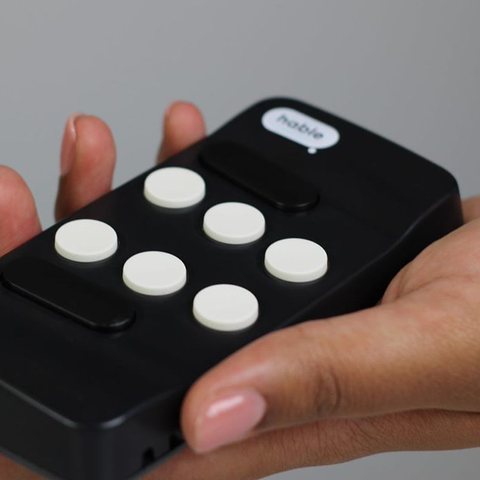
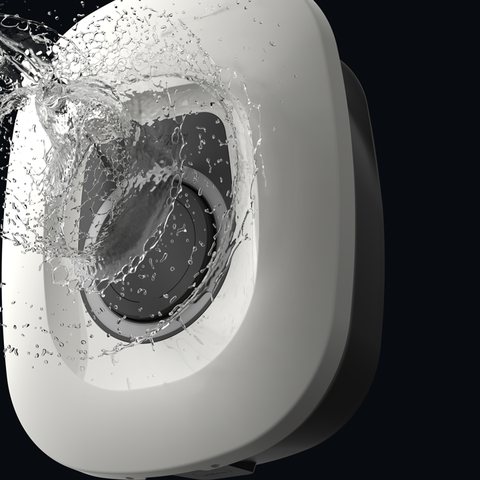
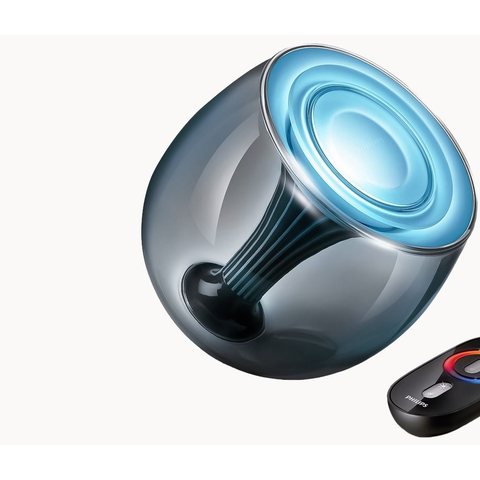
Plastic enclosures for a range of applications
What an enclosure needs to do depends on the product and its environment. We translate the use case into requirements for protection, assembly, appearance and maintenance. The Pilot Factory enables rapid feedback between design and practice.
Electronics and control systems
Printed circuit boards, connectors and modules require suitable mounting, cable feedthroughs and protection. We integrate bosses, screw joints or snap-fit systems and tailor ventilation to thermal management needs. Additional shielding may be required for EMC: standard plastic does not provide this inherently. Examples include controllers, power supplies, embedded systems and IoT equipment.
Mechanical engineering and industry
For industrial enclosures, we consider vibration, impact, moisture, chemicals and temperature. The material and design—for example ribs or reinforced plastics—are selected according to the loads involved. For control cabinets, instrument panels and drive systems, we pay close attention to assembly, maintenance access and machine integration.
Consumer products
Shape, texture, colour and finish influence appearance and use. We combine ergonomics, buttons, battery compartments and assembly with functional requirements. This is relevant to portable devices, household electronics and accessories.
Sensors, measurement and hygiene
Sensor enclosures require precise positioning and the mitigation of unwanted interference. For laboratory, detection and hygiene applications, cleanability, chemical resistance and a suitable degree of protection are important. Requirements for medical peripheral equipment are determined for each application.
Which plastic is right for your enclosure?
We assess the specific material grade in terms of loads, environment, production and appearance. Properties vary by grade, additive and processing conditions. A material name alone is therefore insufficient to determine suitability.
-
ABS: a balance of rigidity and finish
ABS is widely used for electronics and consumer product enclosures because it combines impact resistance, rigidity and surface quality. Painting and texturing are possible. We assess chemical and UV resistance against actual exposure, as these properties are not sufficient for every application.
-
PC: impact resistance and transparency
Polycarbonate may be suitable when high impact resistance or a transparent window is required. For outdoor use, we select a UV-stabilised grade where necessary. Temperature, cleaning agents and stress in the part are included in the assessment.
-
PP: low weight and chemical resistance
Polypropylene has a low density and may be suitable in the presence of moisture, certain chemicals and repeated flexing. We assess the selected grade against the operating conditions. A mono-material design can simplify material separation and recycling.
-
PA: mechanically demanding applications
Polyamide can be used where wear, higher temperatures and mechanical loads are factors. Glass-fibre reinforcement can increase rigidity. We account for moisture absorption and its effect on dimensions and properties in the design.
Functional details that make the difference
A good enclosure is more than an outer shell. We combine protection, heat dissipation, assembly and appearance in a design suited to the production process.
Rigidity and strength
Rib structures and targeted material distribution help stiffen the design. We avoid unnecessarily thick sections and assess the effects on filling, cooling and warpage.
Water and dust protection
O-rings, gaskets or overmoulding can help provide a seal. The required IP rating serves as the test target for the complete assembly, including seams and feedthroughs.
EMC and heat
Conductive coatings, inserts or other shielding solutions may be required for EMC. Ventilation and heat dissipation are assessed together with the electronics.
Surface finish and circularity
Texture, paint or coating can add grip, protection and visual appeal. We weigh these benefits against disassembly and recycling, and explore where a mono-material solution is possible.
From enclosure design to production
We work from requirements towards a tested design, with the Pilot Factory linking engineering and the final production approach.
Why PEZY
A development partner for plastic enclosures
From Eindhoven, Groningen and Utrecht, multidisciplinary teams work on form, function and manufacturability. PEZY combines experience in complex plastics with concept development, prototyping and validation. Our own Pilot Factory helps test decisions and feed improvements back into the design. This creates a sound basis for an enclosure that can be produced using the appropriate process.
3 locations
Design, engineering and production in close collaboration.

Pilot Factory
From the first model to small series, all in-house.
30+ years
Product innovation since 1995.
Great Place to Work
Recognised based on feedback from our employees.
Discuss your plastic enclosure
Tell us what the enclosure needs to protect, how the product will be used and the quantities you expect. We will help you consider the material, design, validation and a suitable production route.
Contact
Schedule a meeting
Choose a time that suits you. We will discuss your needs and a logical next step.