From concept to manufacturable component
Custom-made plastic components
Having a plastic component made requires close coordination between material selection, engineering, manufacturability and production. PEZY guides the process from concept and prototype through mould making, validation and series production. We work from our own facilities in Groningen and with a carefully selected partner network. We tailor the production route to your application, volumes and quality requirements.
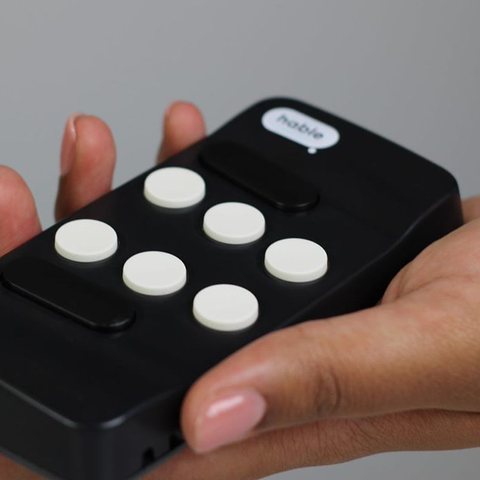
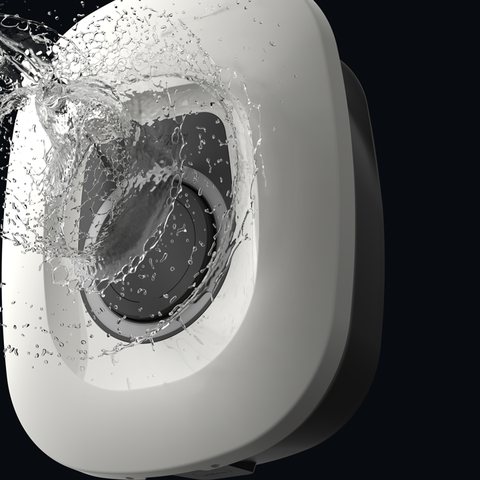
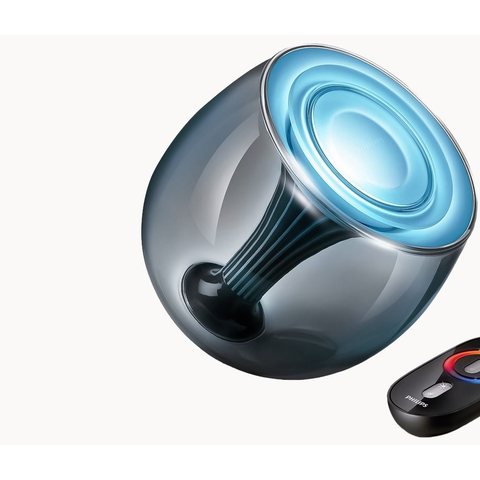

These companies trust PEZY to turn their product ideas into reality.






The basis for a manufacturable plastic component
We start with the application, use, environment and cost targets. We combine your domain knowledge with more than thirty years of experience in plastics engineering. This enables us to develop an idea or technical concept into concrete requirements and determine which choices will have the greatest impact on the next steps.
Use and ergonomics
We examine forces, movements, touchpoints and repetitive actions. The design must suit the user, with attention to intuitive use, comfort and service life.
Environmental conditions
Temperature fluctuations, moisture, chemicals, UV radiation, vibrations, dust and impact are incorporated into the requirements. The selected material and design must suit the actual operating conditions.
Loads and mechanics
Static and dynamic loads, pressure, bending, torsion and fatigue require targeted assessment. Using FEA and practical expertise, we investigate material selection, wall thicknesses and rib structures.
Volume and cost target
A single prototype, a small batch of, for example, 100 to 5,000 units, or larger volumes: production volume and test objectives influence the production route. We weigh up 3D printing, CNC machining, vacuum casting, rapid tooling and injection moulding.
Integration and assembly
We assess the fit with electronics, mechanical parts, seals, connectors and other plastic components. Tolerances and ease of assembly are included in the integrated technical development.
Sustainability and circularity
Recyclability, PCR materials, bio-based plastics and Design for Recycling are investigated at an early stage. We assess which options align with the component’s performance, service life and processing requirements.
Standards, safety and material requirements
Which requirements apply depends on the product, application and market. We identify the relevant design criteria and required evidence at an early stage. A plastic component is not automatically subject to CE marking or certified; the requirements for the final product must be assessed separately.
-
Protection and fire performance
Depending on the application, we investigate protection against dust and water, such as IP65 or IP67, mechanical impact resistance and IK requirements. A material class such as UL 94 V-0 may be relevant for fire performance. A material classification is not the same as approval of the complete product.
-
Substances and traceability
We take applicable RoHS and REACH requirements into account in material selection and documentation. We examine origin, available material data and substance risks so that supply-chain decisions can be properly substantiated.
-
Requirements for specific applications
For medical applications, quality-management requirements such as ISO 13485 may be relevant. For food-contact applications, we assess applicable EU rules, including Regulation 10/2011 on plastics, or the relevant US FDA requirements. The required route is determined by the application and target market.
-
Preparing validation and certification
Risk assessments, technical documentation and cooperation with suitable testing laboratories support the process. We determine which tests are required and who is responsible for assessment and any certification.
From concept to manufacturable product
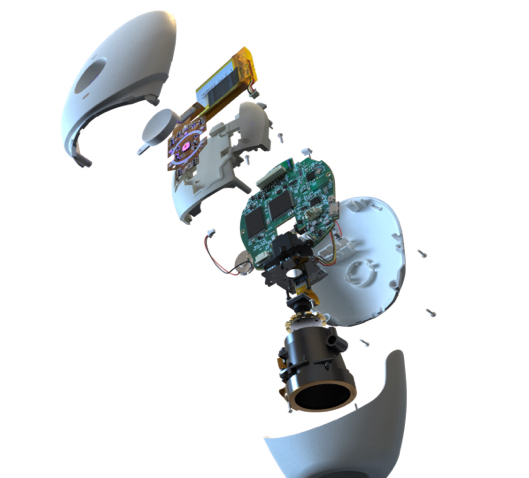
We translate specifications into a design that brings together function, appearance and production. Wall thicknesses and rib structures, tolerances and fit, gate locations and venting, surface finish and colour are developed as an integrated whole. Assembly and serviceability are also part of Design for Manufacturing (DFM). By engineering the enclosure and functionality together, we explore how the component as a whole can be manufactured and used more effectively.
Material selection and circular solutions
Material selection affects strength, weight, service life and cost, among other factors. We assess materials from the perspective of the application and look beyond any single property. Designing for and from recycling helps incorporate options for the next stage of the product’s life.
Engineering plastics
Materials such as ABS, PC, PP and PEEK differ in properties and processing. The loads, environment and production route determine which plastic is suitable.
Metals where functionally required
Aluminium or other metals may play a role in the product or component assembly. We assess whether their properties provide a functional complement to the plastic parts.
Composites
Where the application calls for it, we include composites in the material assessment. Here too, performance, manufacturability and end-of-life processing are evaluated together.
Recycled and bio-based variants
We investigate circular or recycled plastics and bio-based alternatives. The choice must suit the use and production process; a different raw material does not automatically make a component suitable for reuse or recycling.
Testing prototypes before series production
At our Pilot Factory in Groningen, we link prototypes to a test plan. We define which properties must be demonstrated and improve the design based on the results. This allows technical and practical questions to be investigated before scaling up production volumes.
Mechanical strength and function
Compression, bending, drop and fatigue tests help assess how the component responds to expected loads. The test setup is tailored to the intended use and service life.
Dimensions and tolerances
Using measuring equipment, we check critical dimensions against the specifications. This enables us to determine whether the component fits and what variation is acceptable for assembly.
Surface quality
We assess texture, gloss, colour consistency and defects such as sink marks or flow lines. This allows aesthetic requirements to be tested alongside functional requirements.
Assembly and fit
We test the interface with electronics, seals, screws and other components. Where necessary, we improve the design for assembly, maintenance and servicing.
Thermal behaviour
Temperature and thermal-management tests provide insight into expansion, shrinkage and heat dissipation. We assess behaviour within the temperature conditions defined for the application.
Real-world conditions
Climate, chemical exposure, UV and vibrations may form part of the test plan. These tests support the assessment of performance and service life under relevant conditions.
Tooling and preparation for series production
Once the design is sufficiently substantiated, we develop the mould and production process. Simulations, mould making and injection-moulding trials complement one another. Aluminium, steel or a hybrid solution is selected based on volume, geometry, service life and other requirements.
-
Selecting the appropriate mould type
Aluminium may be suitable for pilot runs and smaller series. Steel is an option for higher volumes or different tooling requirements. Hybrid solutions can help where the geometry or application calls for a combination.
-
In-house mould making
In Groningen, we build and maintain moulds in-house. Close collaboration with engineering and production helps us incorporate findings from simulations and test runs efficiently.
-
Golden Sample as a reference
Together with the documentation, an approved Golden Sample serves as the reference for tolerances, surface, colour and functionality. This defines the standard expected for subsequent production.
-
Transfer and scale-up
For production in the Netherlands or with selected partners in Asia, we support the transfer. Technical documentation, guidance during the initial runs and quality-assurance agreements form part of the preparation.
Plastic product development
From the initial idea to a product in which material, design and production are fully aligned.
More about plastic product development
Designing for the next stage of the product life cycle
Explore how service life, repair, reuse and recycling can become part of your design.
More about circularityWhy PEZY
Developing and manufacturing plastic components with PEZY
At PEZY, design, plastics engineering, prototyping and production come together. You work with a single point of contact who ensures alignment between the component requirements and the selected production route. This applies whether you need a precision component, a robust enclosure or a product with multiple interacting components. We combine our own facilities with selected partners. Our focus on manufacturability, quality and circularity extends from the initial analysis through to preparation for series production.
3 locations
Design, engineering and production in close collaboration.
Pilot Factory
From the first model to a small series, all in-house.
30+ years
Product innovation since 1995.
Great Place to Work
Recognised based on feedback from our employees.
Discuss your plastic components
Would you like to have plastic components made or improve an existing design? We discuss the application, material, volumes and quality requirements. From an initial prototype to series production, together we determine the development and validation required.
Contact
Schedule a meeting
Choose a time that suits you. We will discuss your plastic components and a logical next step.