INGU Pipers: a compact housing for extreme conditions
A small sensor must withstand a lot inside a pipeline. For INGU Pipers, PEZY developed a lightweight plastic housing based on material research, simulations and pressure-vessel testing. After the tests, production took place in-house.

Introductie
A compact housing for harsh conditions
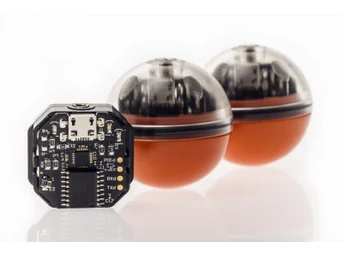
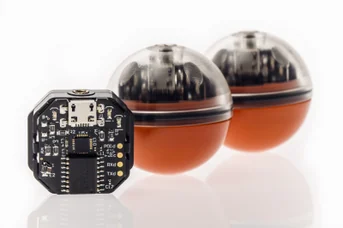
INGU Pipers collect data from pipelines. PEZY developed and produced the plastic housings that must protect the electronics in that environment.
Kernresultaten
Housing for heavy-duty use
Developed for requirements around pressure, temperature and chemical resistance.
Simulation and pressure-vessel testing
Physical tests verified the calculated performance of the housing.
From tooling to production
PEZY made the moulds and produced the plastic housings.
01 · De uitdaging
Protect electronics without losing buoyancy
INGU wanted compact sensors to travel with the flow through pipelines to collect information about pipeline condition.
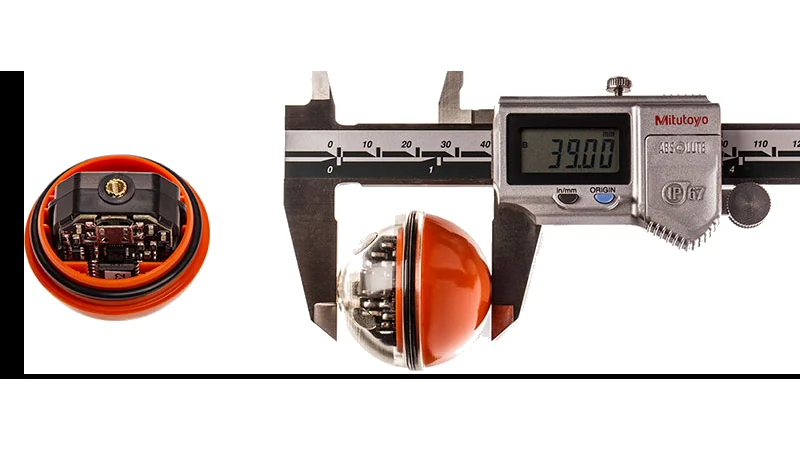
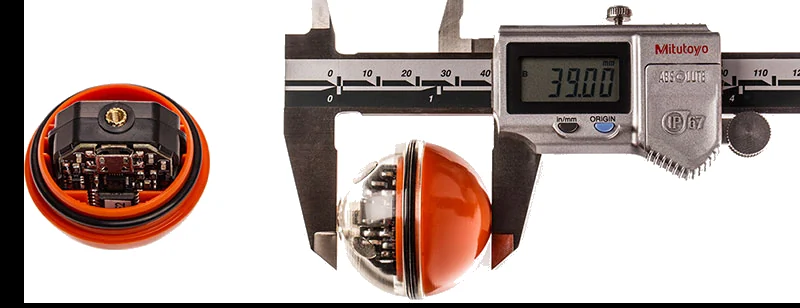
The housing had to resist pressure, temperature and chemicals while remaining as light as possible. Internally there was little space for electronics and sensors. In addition, buoyancy had to remain adjustable using small weights.
02 · De rol van PEZY
From material selection to produced housing
The collaboration between INGU and PEZY began in 2012.
PEZY investigated the plastic housing and its integration with compact electronics and sensors. We handled material selection and characterisation, simulations, mould development, injection moulding and testing of the housings.
PEZY
The collaboration between INGU and PEZY began in 2012. PEZY investigated the plastic housing and its integration with compact electronics and sensors. We handled material selection and characterisation, simulations, mould development, injection moulding and testing of the housings.
03 · De aanpak en het inzicht
Calculate, manufacture and test under pressure
We characterised the selected materials and used the results to simulate pressure and temperature loads.
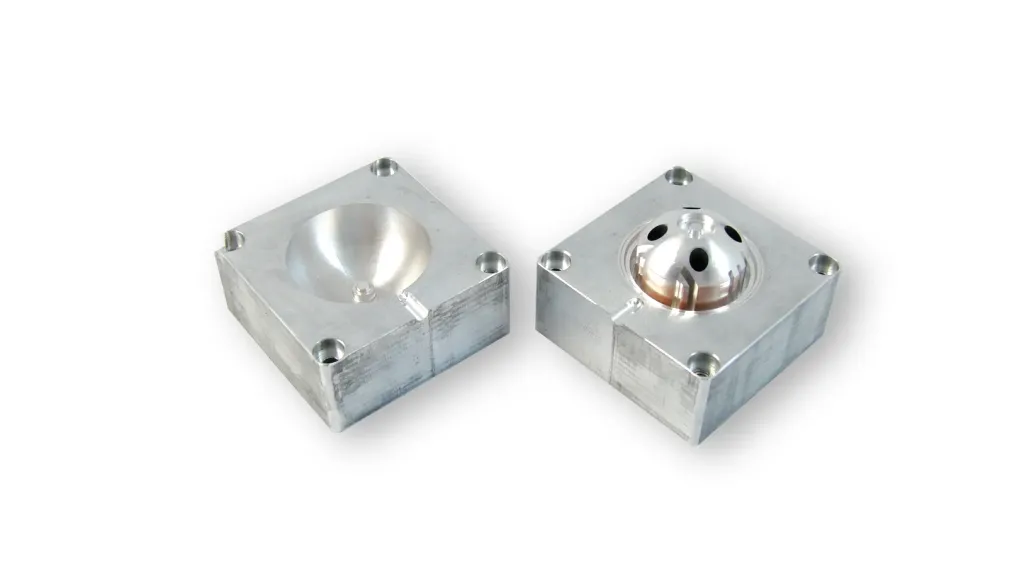
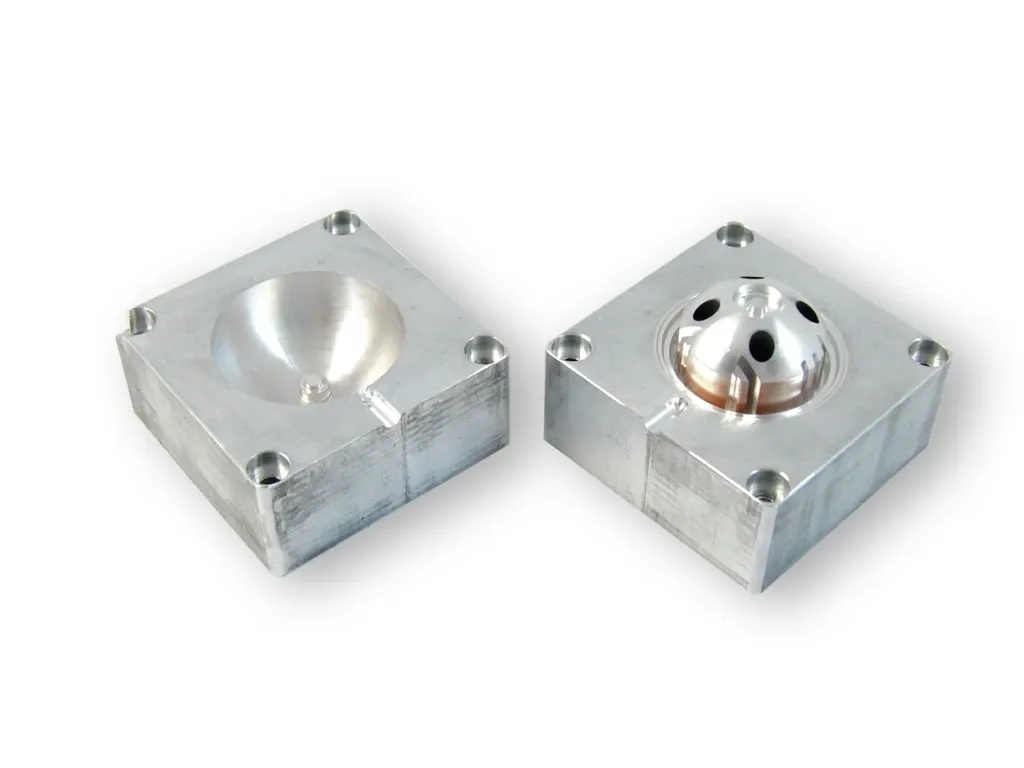
The design was then converted into moulds and physical products in our mould-making and injection-moulding facilities. Tests in a pressure vessel verified whether the calculations and simulations matched real-world behaviour.
04 · De oplossing
A lightweight protective enclosure for sensor technology
The housing combines protection and compactness.
The construction accounts for the severe conditions in pipelines and for the space required by electronics and sensors. The low weight allows the Pipers’ buoyancy to be adjusted with small weights.
05 · Het resultaat
After testing, into production
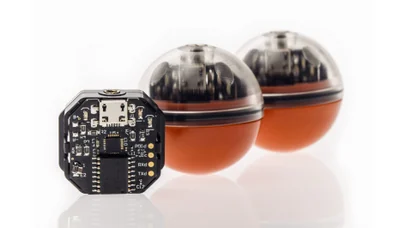
After successfully completing the tests, production of the housings began.
This provided INGU with a validated physical basis for its inspection technology. The collaboration links specialised material knowledge to tooling and production, with testing of critical conditions as the decisive step.
During our collaboration it became clear that PEZY is one of the few companies with the specific expertise to develop a product that meets the high standards we require for our housing. When production volumes increased, we looked for an alternative in Canada, but PEZY remained the best choice. Their specialist knowledge ensured we were well informed of all potential risks. As a result, we were not faced with surprises. In addition, they always think along with us. Every time we try to expand the application range of the Pipers®, PEZY comes up with a solution. In short, their highly capable team has consistently supported our product development; for us PEZY is a very knowledgeable and excellent partner to work with.

Your product question
How do you prove your housing can withstand real-world conditions?
We help you translate critical loads into material choices, simulations and physical tests, and link the outcome to a producible design.
Plan een afspraak
More work
Other products we contributed to
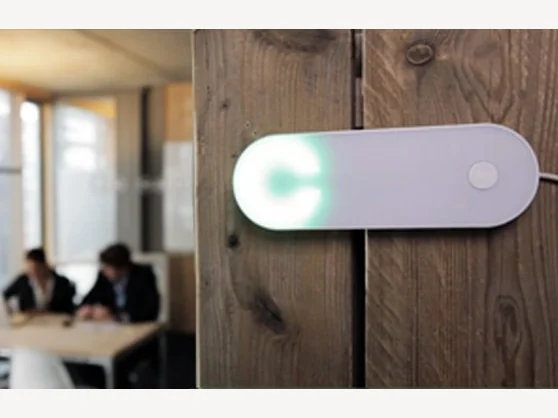
Clay: from digital access solution to hardware in eight months
PEZY designed and manufactured the hardware for Clay. The first keyless-access product reached the market within eight months.
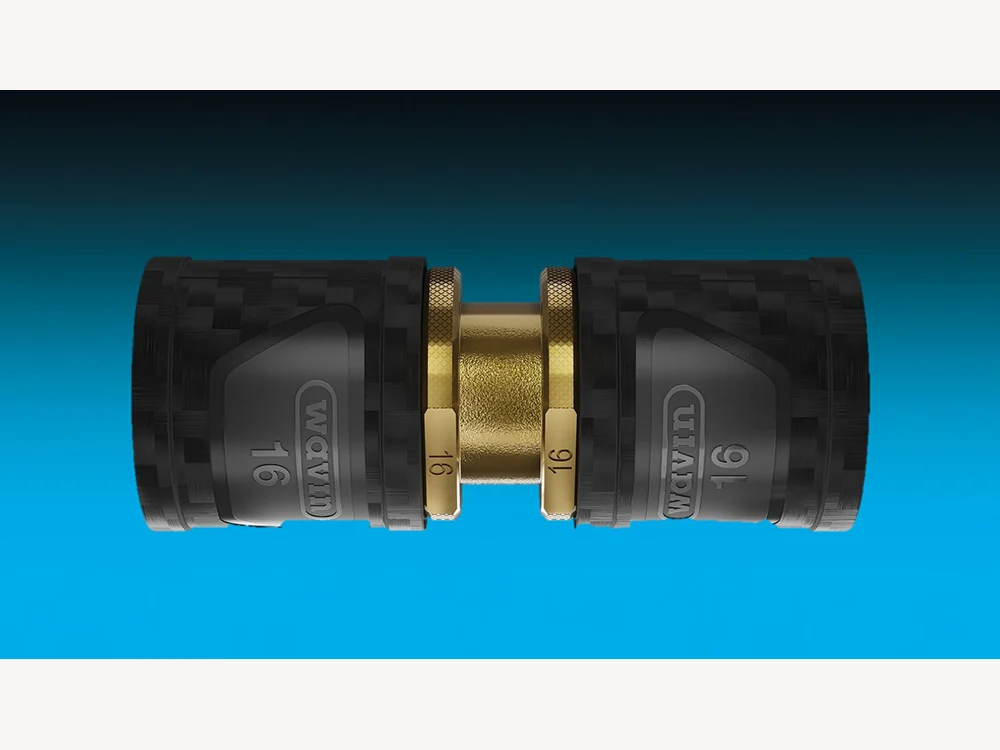
Wavin Tigris MX: a connection tested against assembly variation
PEZY helped Wavin develop the Tigris MX coupling, providing concepts, engineering, prototype moulds and plastic parts for verification tests.
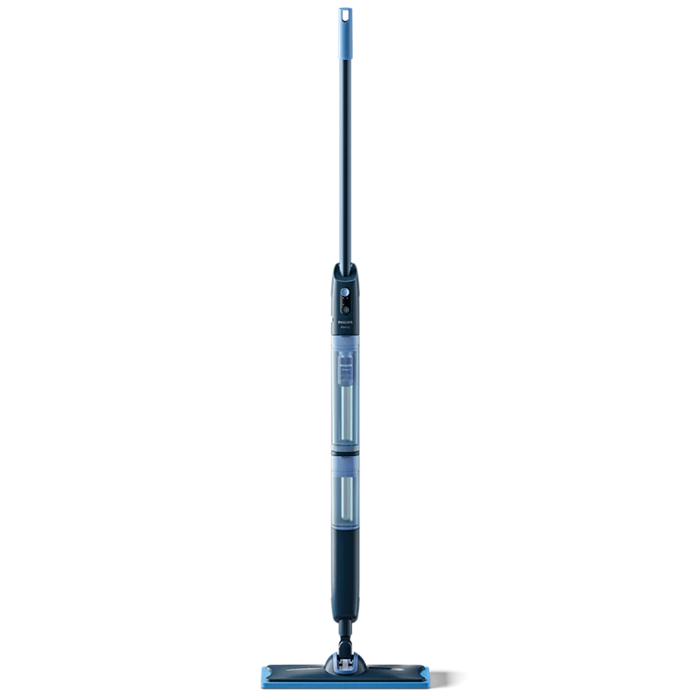
Philips OneUp: mopping without a bucket
PEZY worked on the mechanical design of the Philips OneUp: an electric mop that separates clean and dirty water within a compact product.